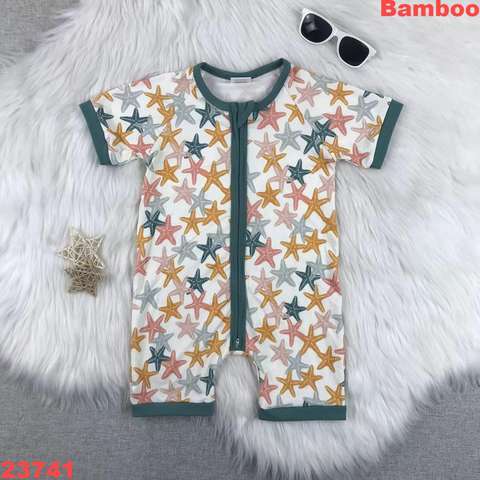
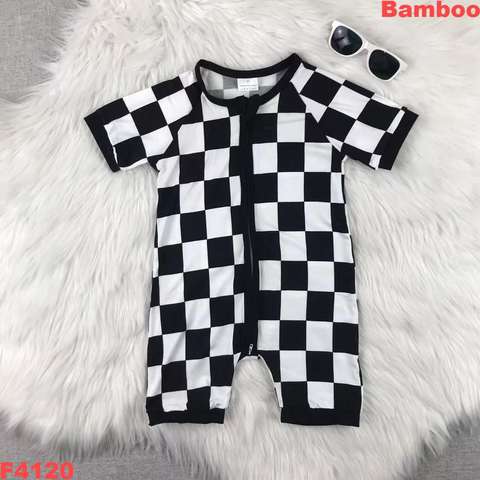
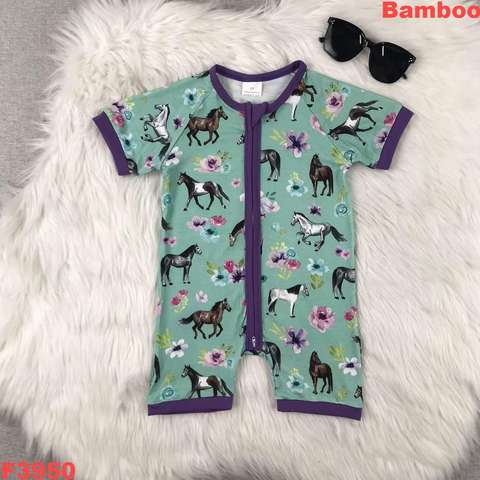
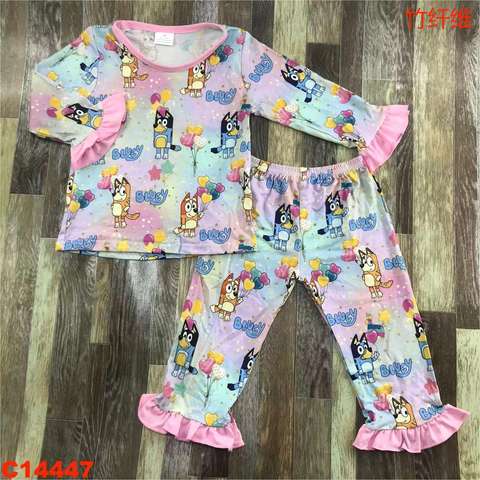
Women Bamboo Pajamas OEM/ODM Specialist Factories with ASTM F963 Standards
By: Senior Clothing Factory Manager
In today’s competitive apparel manufacturing industry, brand buyers and retailers are increasingly seeking sustainable, high-quality, and ethically produced products. Women’s bamboo pajamas have emerged as a fast-growing category, offering softness, breathability, and eco-friendly benefits that appeal to both sustainability-conscious consumers and fashion-savvy markets. For brands looking to source or develop women’s bamboo pajamas, partnering with an OEM/ODM specialist factory with experience in ASTM F963 standards provides a strategic advantage.
As a senior clothing factory manager with extensive experience in garment production and textile innovation, I’ve worked with various B2B clients across the globe to help them differentiate their products. This article aims to offer actionable insights for brand buyers and business owners exploring OEM/ODM solutions for bamboo pajamas, emphasizing the importance of ASTM F963 compliance and the role of expert manufacturers in delivering both quality and customization.

Why Women Bamboo Pajamas Are a Market Opportunity

Bamboo textiles have gained substantial traction in the apparel industry due to their eco-friendly properties and luxurious feel. Bamboo-derived fabrics are naturally hypoallergenic, moisture-wicking, and thermoregulating, making them an ideal choice for sleepwear. From an environmental standpoint, bamboo cultivation requires significantly less water than cotton, involves no pesticides, and absorbs carbon dioxide at a higher rate than most plants. These attributes resonate with today’s consumers who prefer sustainably made clothing that aligns with their values.
In the sleepwear category, women’s bamboo pajamas have carved a niche for themselves as premium products that combine functionality, comfort, and eco-consciousness. For brand buyers, seizing this opportunity involves finding the right manufacturing partners who understand the complexities of bamboo fabric and the evolving demands of the end market.
The Importance of OEM/ODM Specialists in Bamboo Sleepwear Manufacturing
OEM (Original Equipment Manufacturer) and ODM (Original Design Manufacturer) models give apparel brands the flexibility they need to scale their product lines effectively. While OEM factories specialize in manufacturing products based on the buyer’s technical specifications, ODM factories go one step further by offering design and development expertise alongside production capabilities.
When sourcing women’s bamboo pajamas, partnering with a skilled OEM/ODM specialist factory delivers the following advantages:
- Advanced Materials Expertise: Bamboo textiles require specialized handling due to their unique properties. Experienced factories understand how to work with bamboo-based fabrics to maximize their benefits and ensure a premium finish.
- Customization: OEM/ODM factories are equipped to provide full customization, from design, sizing, and colors to trims and packaging. This enables brands to create unique offerings that resonate with their target markets.
- Streamlined Production: Working with a single, experienced factory minimizes lead times, reduces errors, and results in consistent output quality.
- Scalability: A good OEM/ODM partner has the production capacity and logistical know-how to handle scaling as your orders grow.
Why ASTM F963 Standards Matter for Women’s Bamboo Pajamas
While the ASTM F963 standard is primarily associated with toy safety, certain elements of this directive apply to textiles, especially when addressing safety and material testing. For a product category like women’s bamboo sleepwear, compliance with such standards reflects a commitment to quality, safety, and transparency.
Manufacturers adhering to ASTM F963 protocols ensure the following:
- Material Safety: Third-party testing to guarantee that no harmful substances, such as formaldehyde or toxic chemicals, are present in the finished products.
- Durability Testing: Ensuring the garments can withstand wear and tear without compromising fabric integrity or aesthetic appeal.
- Flammability Standards: Meeting flammability resistance benchmarks, particularly relevant in sleepwear because of its proximity to the skin and use in various settings.
For brand buyers and retailers, sourcing products from an ASTM F963-compliant factory reduces risks related to recalls and non-compliance. It also signals to consumers that your brand emphasizes safety as part of its quality commitment.
How to Evaluate the Right OEM/ODM Partner for Women’s Bamboo Pajamas
Finding the ideal manufacturing partner for your women’s bamboo pajama line requires thorough vetting to ensure alignment with your brand values and goals. Here’s a checklist to guide your selection process:
- Experience in Bamboo Fabrics: Ensure the factory has a proven track record of working with bamboo textiles. Ask for product samples, testimonials, or case studies related to bamboo sleepwear.
- ASTM F963 Compliance: Verify that the factory follows ASTM F963 standards or similar quality protocols. Request documentation of their compliance or certifications.
- Scale and Flexibility: Assess the factory’s production capacity and ability to meet both small initial orders and larger bulk requirements. A good partner can adapt to your scaling needs.
- Design and Customization Capabilities: If you require ODM services, check the factory’s in-house design expertise and ability to bring your vision to life.
- Sustainability Practices: Confirm that the factory adheres to sustainable and ethical manufacturing practices, including safe working conditions and environmentally responsible processes.
- Communication and Transparency: Look for a responsive, transparent partner who provides regular updates on production timelines, quality checks, and shipping arrangements.
Emerging Trends in Women’s Bamboo Pajamas
To stay ahead of the competition, brand buyers should also keep an eye on new trends shaping the market for bamboo pajamas:
- Hybrid Fabrics: Mixing bamboo with other eco-friendly fibers, such as organic cotton or Tencel, for enhanced functionality and unique textures.
- Sustainability Messaging: Promoting the eco-friendly aspects of bamboo sleepwear as a core feature in marketing strategies.
- Inclusive Sizing: Offering a wider array of sizing options to serve diverse consumer needs.
- Prints and Patterns: Designing creative and stylish patterns to align with seasonal trends while maintaining the natural appeal of bamboo fabrics.
: A Trusted Partner Is Key to Success
The demand for women’s bamboo pajamas is on the rise, and brands that position themselves as leaders in this category stand to capture significant market share. An experienced OEM/ODM specialist factory with a focus on bamboo textiles and ASTM F963 standards is the cornerstone of a successful product offering. By leveraging their expertise, brand buyers can ensure top-tier quality, safety compliance, and customization, all while benefiting from sustainable manufacturing practices.
As you take the next step in developing your bamboo pajama line, make sure to partner with a factory that aligns with your brand’s quality and sustainability goals. With the right partner, you’ll not only meet the expectations of today’s conscious consumers but also build a strong, competitive edge in the market.
WOMEN BAMBOO PAJAMAS Production Specs
| Product Line | Women Bamboo Pajamas |
| Order Capacity | 20pcs (Supports Private Label Service) |
| Compliance | ASTM F963 |
| Export Service | Private Label Service |
| Fabric Type | GOTS Organic Cotton |