Western Bamboo Patchwork Rapid Sample Development from Certified Eco-Conscious Manufacturers
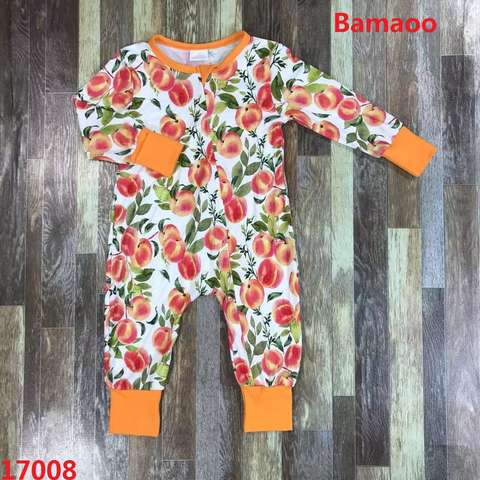
Western Bamboo Patchwork Rapid Sample Development from Certified Eco-Conscious Manufacturers
In today’s competitive apparel industry, speed, sustainability, and quality are critical components of success. Brands that integrate eco-conscious values and deliver innovative, high-quality products to market swiftly set themselves apart from competitors. As a Senior Clothing Factory Manager with decades of experience, I’ve seen the transformation of manufacturing trends, and one product capturing attention across global markets is western bamboo patchwork apparel. Bamboo-based textiles are gaining traction for their unparalleled blend of sustainability, softness, and durability. When paired with the artistry of patchwork—a nod to Western style cherished by consumers—this combination creates a dynamic opportunity for brands to innovate while staying eco-friendly.
However, navigating the manufacturing of bamboo patchwork garments and accelerating sample development from certified sustainable manufacturers requires careful planning. In this article, I’ll dive into the details that apparel buyers and brands must keep in mind to ensure rapid sample development, cost-efficiency, and high-quality production—all while maintaining sustainable practices throughout the supply chain.
The Rise of Bamboo Textiles and Patchwork in Western Apparel
Bamboo is an inherently sustainable material, garnering recognition for its rapid renewability, minimal water usage, and biodegradability. When processed responsibly into textiles, bamboo fabrics boast numerous advantages: they are hypoallergenic, breathable, moisture-wicking, and incredibly soft—a combination that rivals even high-end cotton and silk. These attributes have led to a steady increase in demand for bamboo-based garments, particularly in apparel markets with discerning consumers who prioritize comfort and sustainability.
Patchwork, on the other hand, has deep roots in Western designs, nodding to rustic charm and artisanal craftsmanship. By marrying the versatility of bamboo with Western-inspired patchwork, brands create products that resonate with both eco-fashion enthusiasts and trend-conscious customers. From shirts and jackets to skirts and dresses, western bamboo patchwork garments exude a creative, sustainable flair.
Importance of Certified Eco-Conscious Manufacturers
Partnering with certified sustainable manufacturers is a non-negotiable for brands looking to build trust with today’s eco-savvy consumers. Certifications such as GOTS (Global Organic Textile Standard), OEKO-TEX®, and FSC (Forest Stewardship Council) ensure that the bamboo used in your production is ethically sourced and processed without harmful chemicals. , manufacturers that adhere to international labor and environmental standards demonstrate a commitment to sustainability, which enhances the credibility of your brand.

When sourcing eco-conscious manufacturers, ensure they align with your brand values, have a proven track record of working with bamboo textiles, and possess the capacity to execute intricate patchwork designs efficiently. Transparency throughout the supply chain is paramount; from sourcing raw materials to certifying the end product, every step should be documented in compliance with sustainability audits.
Understanding the Sample Development Process

Rapid sample development is pivotal, especially in fashion cycles where trend windows can be fleeting. For western bamboo patchwork garments, the sampling process has its unique nuances due to the complexity of materials and design. Here’s a closer look at the typical steps involved:
1. Initial Concept and Design:
Collaboration begins with clear communication. Provide your manufacturer with detailed tech packs, which include fabric specs, garment patterns, artwork for patchwork layouts, and size grading charts. For bamboo textiles, specify the weave, weight, and finish you require—for instance, a woven bamboo-linen blend versus a stretch jersey might result in completely different finished products.
2. Material Sourcing:
Certified manufacturers typically maintain an established supply chain for eco-conscious fabrics, allowing them quick access to materials. Quality control is crucial at this stage; high-caliber bamboo fabric ensures the softness and durability your customers will expect. Ensure you’re aligned on lead times for sourcing specialized fabrics, as bamboo’s eco-certification processes can occasionally cause delays.
3. Prototype Development:
During this stage, prototypes are created to capture the complete garment concept. For patchwork designs, focus on fabric alignment, stitching quality, and color harmonization. Because the intricacy of patchwork requires precise craftsmanship, checking for consistency is vital. Manufacturers that use advanced digital sewing technology can expedite the prototyping process without sacrificing accuracy.
4. Sample Refinement:
Feedback-driven iterations refine the sample to meet branding, fit, and aesthetic expectations. Work closely with the manufacturer to test multiple iterations of the patchwork layout, ensuring that the blend of bamboo textures meets your design vision. At this stage, physical samples or 3D digital renderings can help you confirm final changes rapidly.
5. Final Approvals:
Once satisfied with the refined sample, approve the design for bulk production. A seasoned factory team will help manage the seamless transition from sample development to full-scale runs, minimizing downtime.
Leveraging a manufacturer experienced in bamboo and patchwork is vital because they can provide insight into common challenges, such as how bamboo fabric can shrink during sewing or how to manage color seepage among patchwork fabrics. These obstacles, when anticipated early, won’t delay your timelines.
The Role of Technology in Accelerating Timelines
Eco-conscious manufacturers increasingly leverage technology to drive efficiencies during sample developments. From automated fabric cutters to precision sewing robots, innovation is reducing both development time and material waste. Digital pattern-making software also allows for quicker iterations of patchwork layouts, reducing trial-and-error processes.
For buyers engaged in long-distance partnerships, 3D garment simulation technology plays a significant role in expediting approvals. Virtual samples allow designers to review patchwork placement, fabric textures, and garment flow, all without the delays associated with shipping physical samples. Brands ready to adopt these solutions can drastically reduce development timelines while maintaining a high-touch feedback loop with their manufacturers.
Co-Creating Value with Your Manufacturer
The relationship between a brand and its manufacturer is built on collaboration. For western bamboo patchwork garments, the design intricacies demand a true partnership. Here are key considerations to keep in mind:
WESTERN BAMBOO PATCHWORK Production Specs
| Product Line | Western Bamboo Patchwork |
| Order Capacity | 10pcs (Supports Rapid Sample Development) |
| Compliance | GRS Certified |
| Export Service | Rapid Sample Development |
| Fabric Type | GOTS Organic Cotton |
- Shared Sustainability Goals: Ensure your values align. Manufacturers who care about sustainable production will go above and beyond to respect your brand’s commitment to eco-consciousness.
- Detailed Technical Communication: Be precise in your design details and deadlines. Open communication ensures hiccups—like material delays or stitching inconsistencies—are quickly resolved.
- Order Volumes and Lead Times: Confirm that your manufacturer can scale production appropriately. Bamboo patchwork garments may require extended lead times due to the intricacy of design; account for this in your schedule, especially during peak seasons.
The best outcomes stem from mutual understanding and an emphasis on long-term quality over short-term gains.
: Positioning Your Brand at the Forefront of Sustainability
Western bamboo patchwork garments are a compelling opportunity for brands seeking to create a powerful fusion of style, craftsmanship, and sustainability. However, navigating sample development demands more than simply placing an order. When you partner with a certified eco-conscious manufacturer, you gain access to deep industry knowledge, technical expertise, and a commitment to sustainable practices that your end customers will appreciate.
In a market increasingly shaped by consumer preferences for ethical and eco-friendly fashion, rapid sample development with qualified partners isn’t just an operational advantage; it’s a strategic imperative. Prioritize transparent communication, invest in precision sampling, and harness technologies that streamline approvals. With the right approach, your brand can bring bold, eco-friendly western bamboo patchwork designs to life—delighting your customers and strengthening your market position.
If you’re ready to collaborate with experienced bamboo garment manufacturers, start by vetting factories that align with your values and are as passionate about quality and sustainability as your team. Together, we can create something truly remarkable.