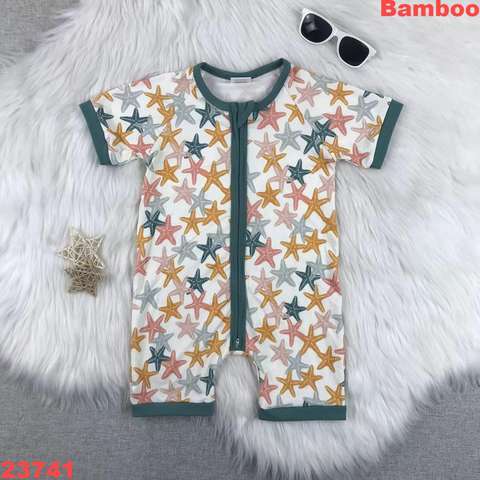
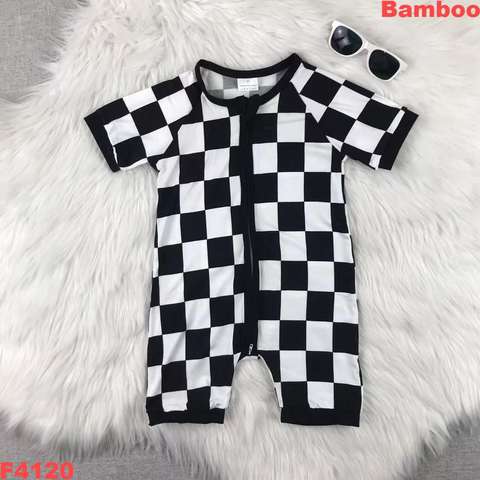
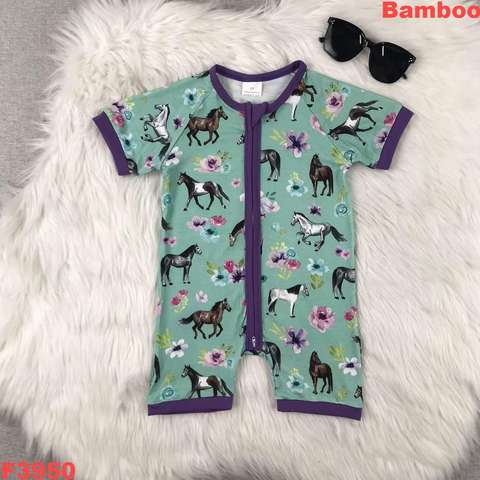
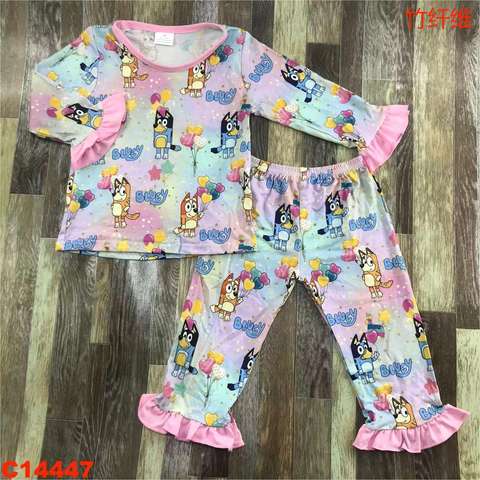
Verified Suppliers for Unisex Bamboo Romper - ASTM F963 & Small Batch Production
Introduction
In the competitive world of apparel manufacturing, unisex bamboo rompers are carving out a significant niche, appealing to eco-conscious and style-savvy consumers. These versatile garments combine sustainability and comfort, making them a lucrative choice for budding and established apparel brands. However, sourcing a verified supplier for bamboo rompers that meets ASTM F963 safety standards and supports small batch production is no small feat. Whether you're launching a new brand or extending your product line, understanding the nuances of supplier selection can give your business a much-needed edge.
Why Unisex Bamboo Rompers?
Before delving into supplier selection, let’s explore why unisex bamboo rompers are such a hot commodity in the market. Bamboo fabric is renowned for being soft, breathable, and hypoallergenic—qualities that make it ideal for infant and toddler wear. Its natural antibacterial and moisture-wicking properties also make it suitable for sensitive skin. , bamboo is an eco-friendly renewable resource, aligning with the growing consumer demand for sustainable and ethical fashion choices. The unisex design streamlines inventory management and broadens the customer base, catering to parents and caregivers looking for functional yet stylish options for their children.
Understanding ASTM F963 Standards
For brands targeting the children's apparel market, adhering to safety regulations is non-negotiable. ASTM F963, also called the Standard Consumer Safety Specification for Toy Safety, is an important benchmark when manufacturing children's wear, particularly items like rompers that incorporate snap closures or trims that could pose a risk if improperly designed or attached. A supplier versed in ASTM F963 compliance will ensure that their products are rigorously tested for choking hazards, sharp edges, and durability, offering peace of mind for brands and end consumers alike.
When shortlisting suppliers, always inquire about their familiarity with ASTM F963 standards. Ask to review their testing certificates or compliance reports from authorized third-party testing laboratories. Trustworthy suppliers won’t hesitate to provide this documentation upfront, showcasing their commitment to quality and safety.
The Case for Small Batch Production
For emerging brands or businesses testing the waters with a new product line, small batch production is a practical option. It minimizes financial risk, reduces waste, and allows you to refine your product offerings based on early customer feedback. Experienced suppliers offering low MOQ (Minimum Order Quantity) options cater to this specific need, making them a highly sought-after choice for businesses that prioritize flexibility and customization.
Small batch production also aligns perfectly with sustainable practices. A lower production volume minimizes your carbon footprint and ensures a balanced inventory, avoiding unnecessary overproduction. This strategy signals to consumers that your brand values both quality and environmental responsibility, which can set you apart in a saturated market.
Finding Verified Suppliers for Unisex Bamboo Rompers

Successful supplier selection begins with thorough research and verification. Here are some action steps to take when sourcing your unisex bamboo romper supplier:
- Online Marketplaces & Trade Platforms: B2B platforms like Alibaba, Global Sources, and Faire are loaded with manufacturer profiles. Use detailed search filters tailored to your requirements, such as “ASTM F963 certified bamboo romper” or “small batch production unisex clothing.” Be cautious about vetting claims of compliance by requesting documentation.
- Ask for Certifications: Beyond ASTM F963, verify if the supplier complies with broader standards, such as OEKO-TEX® Standard 100 for fabric safety, GOTS (Global Organic Textile Standard), or FSC-certification for sustainability in bamboo sourcing.
- Conduct Factory Audits: If possible, schedule a virtual or physical audit of the manufacturer’s facility to evaluate their production capabilities, ethical labor practices, and quality control measures. Third-party inspection agencies can assist in assessing your potential supplier’s operations.
- Request Samples: Always request pre-production samples before committing to a large-scale order. Test fabric durability, fit, snap closures, and colorfastness. If the samples meet your quality expectations, it’s a good indicator that the supplier can handle full-scale production to the same standard.
- Communicate MOQ Clearly: Ensure that the manufacturer you choose not only supports small batch runs but does so with flexibility on style variations. For example, a supplier should accommodate different colorways or trims without requiring separate bulk quantities for each.
Evaluating Cost vs. Value
Cost considerations often dominate supplier negotiations, but it’s vital to weigh price against value. A cheaper supplier may cut corners on fabric quality or compliance testing, leading to costly recalls or damaged customer trust down the line. Transparent suppliers with slightly higher price points often deliver better value by offering premium materials, valid safety certifications, and responsive customer service. Always clarify what the production cost includes—does it cover labels, packaging, or shipping? Factoring these variables into your sourcing decisions will ensure a smoother production process.
Maintaining an Ongoing Relationship
Once you’ve found a supplier you trust, build a long-term relationship. Open communication, consistent quality checks, and timely payments can foster mutual respect and reliability. Reputable suppliers often prioritize working with loyal and communicative buyers, favoring them with better terms, faster production cycles, or access to new materials. Remember that supplier relationships are partnerships, and nurturing them can provide your brand with greater stability as you scale.

Top Locations to Source Bamboo Rumpers
Understanding global supplier hubs can also simplify your search. Here are some key regions known for their expertise in bamboo and sustainable textiles:
- China: Leading in bamboo fabric production, China boasts an extensive network of manufacturers experienced in ASTM standards and accommodating low MOQs. Cities like Dongguan and Shenzhen are worth exploring.
- India: Renowned for organic and sustainable textiles, India has a growing number of GOTS-certified factories that specialize in bamboo clothing. The country is also known for its mastery in small batch, customized production runs.
- Vietnam: Vietnam combines cost efficiency with a growing commitment to high-quality sustainable manufacturing, making it a compelling choice for bamboo clothing production.
Final Thoughts
UNISEX BAMBOO ROMPER Production Specs
| Product Line | Unisex Bamboo Romper |
| Order Capacity | 10pcs (Supports Small Batch Production) |
| Compliance | ASTM F963 |
| Export Service | Small Batch Production |
| Fabric Type | Bamboo Viscose |
The process of sourcing verified suppliers for unisex bamboo rompers requires diligence, particularly when adherence to ASTM F963 and other safety regulations is a top priority. But the investment of effort and resources in finding the right partner will pay dividends in product quality, brand reputation, and customer satisfaction. By focusing on small batch production, your business can embrace sustainability, minimize risk, and adapt swiftly to evolving market demands.
For apparel brands entering the children’s clothing market, unisex bamboo rompers offer an exciting opportunity to cater to an ethically driven, comfort-conscious audience. By selecting verified suppliers who meet compliance standards and support scalable, boutique-style operations, you’ll position your brand for long-term success in a competitive industry. The key lies in doing your homework, asking the right questions, and approaching supplier relationships as long-term strategic partnerships.