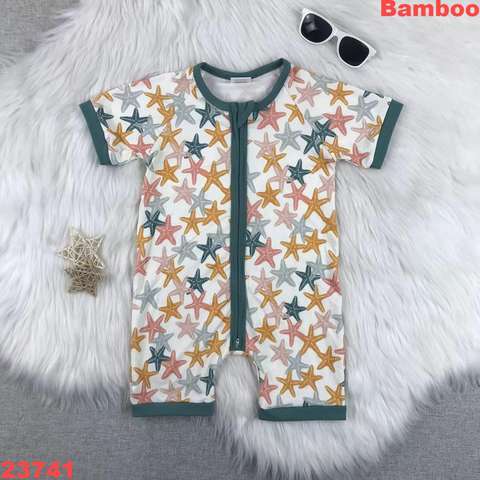
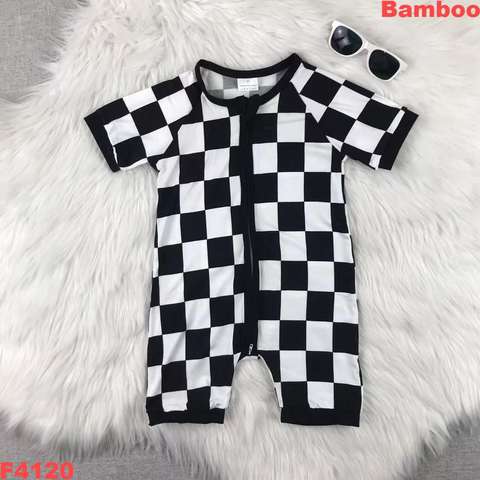
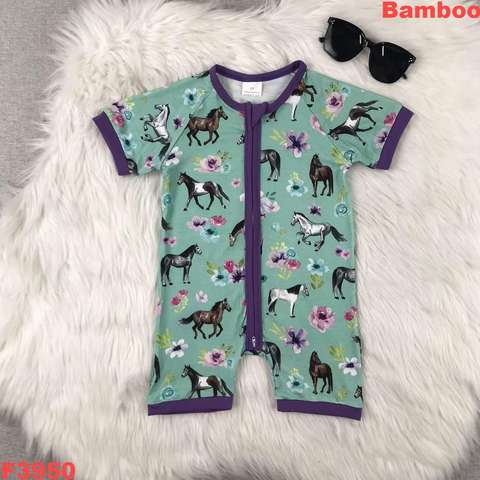
Verified Suppliers for Custom Bamboo Romper - ISO 9001:2015 & Low MOQ Factory
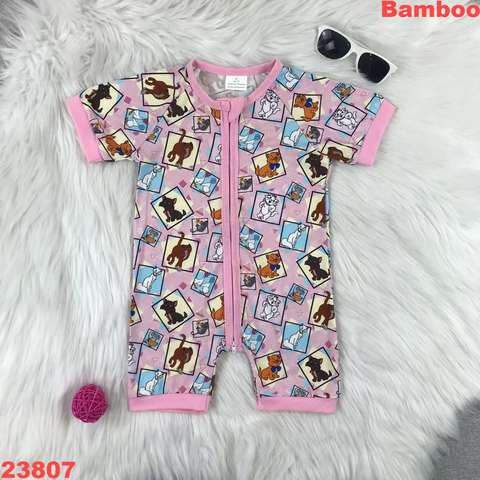
Verified Suppliers for Custom Bamboo Romper - ISO 9001:2015 & Low MOQ Factory
As sustainability continues to take center stage in the apparel industry, bamboo fabric has emerged as one of the most sought-after materials due to its eco-friendly properties, natural softness, and versatility. For buyers seeking reliable, high-quality factories to produce custom bamboo rompers, navigating the supplier landscape can be challenging. Factors such as certification, production capacity, and cost efficiencies must align with the unique needs of emerging brands and established businesses alike. This article explores how to find verified suppliers for custom bamboo rompers with ISO 9001:2015 certification and low minimum order quantity (MOQ).

There is no room for compromise when selecting manufacturing partners for bamboo apparel. As a Senior Clothing Factory Manager, I understand the nuances of selecting suppliers who meet stringent quality standards while addressing the needs of B2B clients navigating sustainability trends. Bamboo rompers, with their demand for precision and soft-touch finish, require experienced suppliers specialized in working with bamboo fibers. Below, I detail key considerations and essential checkpoints for sourcing verified factories that meet industry benchmarks.
The Importance of ISO 9001:2015 Certification
ISO 9001:2015 certification signals that a factory operates under a robust quality management system (QMS). For apparel production, this is critical because it demonstrates the supplier’s ability to consistently deliver products that meet customer specifications while adhering to regulatory standards. Bamboo fabric, being organic and sustainable, requires meticulous precision during processing, dyeing, and stitching to maintain its integrity. An ISO 9001:2015-certified factory typically follows standardized workflows to minimize defects and maximize output without compromising quality.

When sourcing bamboo romper manufacturers, request their ISO 9001:2015 documentation and inquire about their internal audit processes. A certified partner ensures smoother transactions and reduces risks related to quality discrepancies. Additionally, this qualification reflects the factory’s dedication to continuous improvement, which is particularly valuable for businesses producing customized or seasonal collections in the children’s and adult romper categories.
Low MOQ Factories: Supporting Small to Mid-Sized Brands
For smaller brands or startups in the apparel industry, hitting high MOQs can be a barrier. Low MOQ factories catering to bamboo apparel are rare but vital for smaller businesses that want to scale without being bogged down by large upfront inventory commitments. Thankfully, as demand for bamboo fabric grows worldwide, several manufacturers now accept smaller orders while maintaining exceptional craftsmanship.
A professional clothing manufacturer offering low MOQs understands the importance of catering to emerging brands seeking niche markets. For bamboo rompers, low MOQs provide the flexibility to test various styles, color palettes, or custom label designs before committing to larger-scale production. Brands can keep agile while still holding true to seasonal demands or fluctuating customer preferences.
During supplier screenings, ensure that factories offering low MOQs also have top-tier quality control measures, such as pre-production sampling and bulk inspection reports, to avoid discrepancies. Attention to detail in smaller runs ensures consistency when scaling production later.
Sustainability in the Bamboo Apparel Supply Chain
Working with a supplier that understands sustainability beyond material choice is critical. Bamboo rompers are eco-friendly because bamboo fabric is biodegradable, quickly regenerating, and requires minimal pesticide use during harvest. However, sustainable practices should extend to the factory floor, including energy-efficient production processes, ethical labor practices, and transparent fabric sourcing.

When evaluating a supplier, inquire about their sustainability policies and certifications, such as OEKO-TEX or Global Organic Textile Standard (GOTS), alongside ISO 9001:2015. Brands building eco-conscious identities need assurances that their suppliers maintain a responsible footprint throughout production. Independent third-party audits and energy-efficient factory practices are indicators of sustainability commitments.
Additionally, during bulk production of bamboo rompers, emphasis should be placed on reducing waste, optimizing fabric utilization, and prioritizing water-based dyes that are safe for sensitive skin. A factory experienced in working with bamboo fabric understands how to skillfully preserve these qualities while innovating around production constraints. This ensures your custom romper line resonates with values that modern consumers appreciate.
Customization and Scalability: From Design to Distribution
Custom bamboo rompers require manufacturers with the technical expertise to execute unique designs, specialty stitching, or creative embellishments like embroidery or screen printing. A factory specializing in bamboo production should have versatile machinery and skilled operators equipped to handle intricate requests while ensuring every piece aligns with quality standards.
Scalability is another critical factor – reliable factories balance low MOQs with the ability to gradually increase order sizes as your business grows. Discuss lead times and forecasting possibilities with suppliers upfront, ensuring partners can accommodate future demand spikes without compromising delivery timelines. Factories investing in technology – such as automated cutting or digital sewing machines – often exhibit greater precision and speed when scaling production volumes.
Ensure communication channels with your supplier support design iterations and product sampling. Responsive customer service teams and transparent reporting during proto-type development and bulk orders alleviate concerns that arise during a collection's lifecycle. Factories with dedicated account managers often streamline production processes effectively, allowing buyers to focus on branding, marketing strategies, and retail execution duties.
CUSTOM BAMBOO ROMPER Production Specs
| Product Line | Custom Bamboo Romper |
| Order Capacity | 10pcs (Supports Low MOQ Factory) |
| Compliance | ISO 9001:2015 |
| Export Service | Low MOQ Factory |
| Fabric Type | GOTS Organic Cotton |
Where to Source Reputable Bamboo Fabric Manufacturers
Finding reputable suppliers for custom bamboo rompers involves leveraging B2B platforms, industry events, and factory audits. Consider using professional websites like Alibaba, Made-in-China, or Global Sources to locate manufacturers who explicitly specialize in bamboo fabric production. Filter listings by ISO certification and MOQ requirements, and thoroughly vet testimonials or historic buyer reviews.
Trade expos are another excellent avenue for locating verified factories – sustainability-focused events often include exhibitors manufacturing bamboo-based apparel. Engage directly with suppliers during expos to review samples, ask about customization capabilities, and negotiate initial pricing terms.
Next, audit factories before committing. Third-party inspection services such as SGS or Bureau Veritas can confirm key supplier qualifications and provide unbiased reports. For bamboo rompers, arrange for pre-production sampling to ensure fabric elasticity, softness, and durability meet expectations. Consider suppliers offering specialization in dye sublimation, stitching reinforcement, and heat sealing where applicable.
Building Long-Term Partnerships
In the ever-evolving B2B apparel landscape, fostering reliable partnerships with bamboo apparel factories is the cornerstone of brand success. Trust, transparency, and a shared commitment to quality are vital components in forging strong ties. Nurture supplier relationships with regular communication, long-term collaboration agreements, and feedback on manufactured products. Factories that feel valued by clients often demonstrate greater willingness to innovate and accommodate future demands.
As a Senior Clothing Factory Manager, I emphasize integrating detailed contracts into any partnership, specifying components such as lead times, payment terms, and after-sales support. Clarify intellectual property rights when sharing custom romper designs to protect your brand. Additionally, a factory that proactively offers upgrades to production processes or material options should be considered invaluable for navigating industry advancements.
Sourcing verified suppliers for custom bamboo rompers demands diligent research and strong supplier vetting processes. ISO 9001:2015 certification is non-negotiable, assuring quality control while aligning with ethical manufacturing expectations. For smaller brands and startups, opting for low MOQ factories with scalable capabilities ensures flexibility and commercial feasibility. Finally, sustainability should remain a priority to match consumer demand for eco-conscious products.
Remember, investing time in audits, testing, and supplier relationship development pays lasting dividends for buyers. Whether scaling production or launching new bamboo romper collections, partnering with the right factory leads to successful market entry and sustained growth. Bamboo is no longer just a material – it’s a movement. By aligning with verified factories, your brand can ride this wave with confidence.