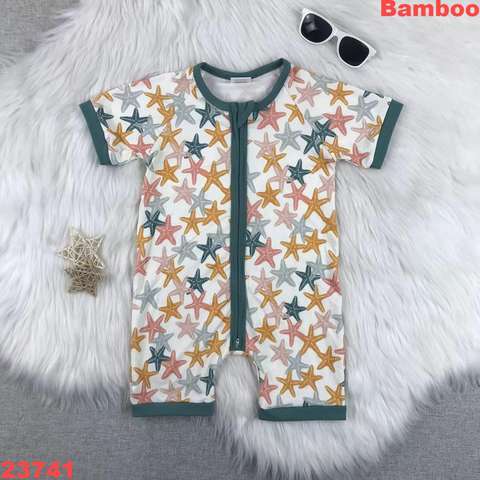
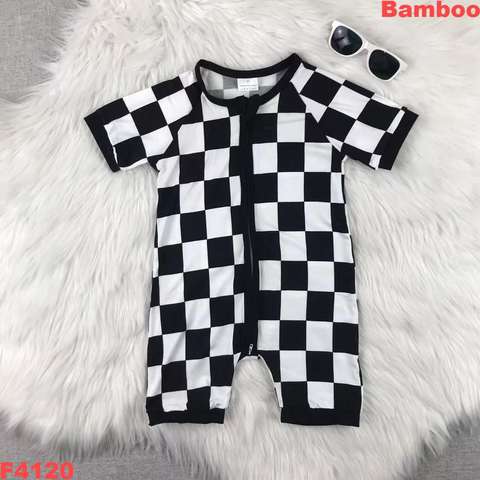
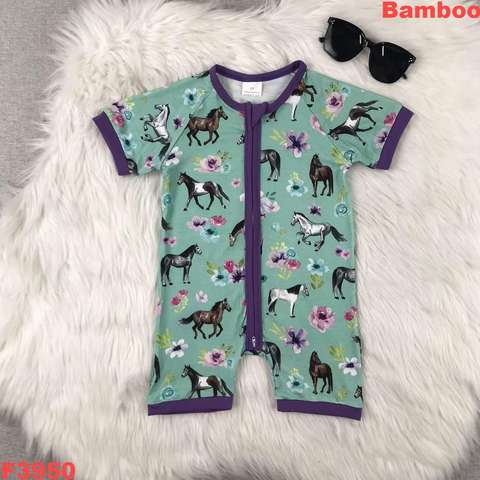
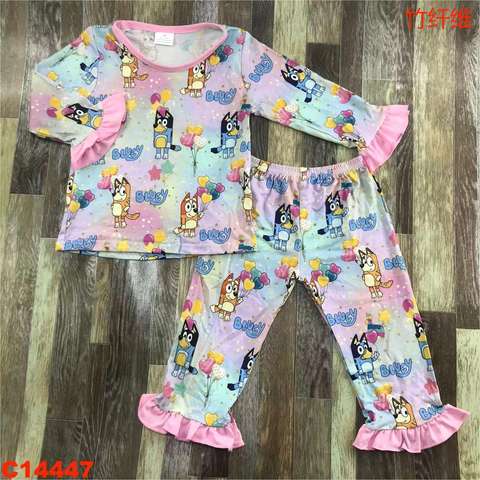
Verified SA8000 Certified Jaye Bamboo BSCI Audited Factories in China
Verified SA8000 Certified Jaye Bamboo BSCI Audited Factories in China
For clothing brands focused on sustainability, ethical labor practices, and quality, identifying reliable manufacturing partners is a key priority. As a Senior Clothing Factory Manager with extensive experience in the global apparel manufacturing landscape, I understand the importance of aligning with trusted factories. In this article, we’ll explore the advantages of working with SA8000-certified and BSCI-audited Jaye Bamboo factories in China, a top choice for brands seeking eco-friendly, social-compliance-driven production solutions.
Jaye Bamboo, a premium sustainable material, has increasingly become a go-to resource for apparel brands transitioning towards environmentally responsible collections. Partnering with the right manufacturing facilities ensures the entire process – from sourcing raw materials to delivering finished goods – aligns with international standards. Let’s uncover what makes SA8000-certified Jaye Bamboo suppliers and BSCI-audited factories in China the ideal choice for your business partnerships.
What Is Jaye Bamboo and Why Is It Gaining Popularity?
Bamboo, celebrated as one of the most sustainable raw materials, has made a significant impact on the textile industry. Among various bamboo-derived materials, Jaye Bamboo stands out for its durability, luxurious texture, and eco-conscious manufacturing process. Jaye Bamboo fabric offers exceptional softness, breathability, and hypoallergenic properties, making it particularly suitable for premium apparel categories such as activewear, loungewear, and undergarments.
In addition to its functional benefits, Jaye Bamboo production typically involves fewer resources compared to conventional textiles. Its cultivation requires no pesticides, less water, and minimal arable land. These characteristics make it a natural favorite for environmentally conscious fashion brands aiming to reduce their carbon footprints while offering high-end, ethically produced apparel to consumers.
The Importance of SA8000 Certification
The SA8000 (Social Accountability 8000) certification is a globally recognized standard developed by Social Accountability International (SAI). It evaluates a factory's adherence to stringent social responsibility criteria, which include:
- Prohibition of child labor
- Safe and healthy working conditions
- Fair wages and benefits for workers
- Non-discrimination and zero tolerance for forced labor
- Reasonable working hours and humane treatment
When you source products from SA8000-certified factories, you gain assurance that the garments are produced under ethical labor and workplace conditions. This aligns with global corporate social responsibility (CSR) practices, catering to socially conscious consumers who demand transparency in supply chains. For brand buyers, it’s not just about meeting compliance requirements — it’s about protecting brand reputation and building trust with your audience.
What Does a BSCI Audit Ensure?
The Business Social Compliance Initiative (BSCI) audit is another critical certification for apparel factories. It focuses on improving working conditions across global supply chains. A BSCI audit evaluates factories based on best practices and social compliance efforts, covering key areas like:
- Occupational health and safety
- Environmental management practices
- Worker rights and social protection
- Ethical business behavior
- Continuous improvement in labor conditions
Jaye Bamboo factories in China that undergo BSCI audits demonstrate a commitment to operating in accordance with international human rights standards. This assures global brand buyers that their supply chain partners are accountable for sound ethical practices, reducing risks associated with potential labor-related controversies.

Benefits of Using SA8000 and BSCI Audited Jaye Bamboo Factories
Why should brands prioritize SA8000-certified and BSCI-audited Jaye Bamboo factories when sourcing their apparel? Here are several key benefits:
1. Ethical Production at Scale
Combining ethical frameworks (SA8000 and BSCI audits) with the scalability of Chinese manufacturing, these factories offer high-volume production capabilities without compromising on social and environmental benchmarks. This balance allows brands to address large orders and meet surging consumer demand for sustainable apparel responsibly.
2. Enhanced Brand Value
Partnering with compliant Jaye Bamboo factories reflects positively on your brand’s integrity. Not only does it strengthen relationships with eco-conscious and socially responsible consumers, but it also boosts your credibility in the eyes of stakeholders and investors.
3. Sustainable Material, Certified Processes
Jaye Bamboo products are already recognized for their eco-friendly attributes. By sourcing from audited and certified factories, you further solidify your sustainability agenda, ensuring clean supply chains across every production stage.
4. Risk Reduction
In the global marketplace, violations in labor practices or environmental negligence can lead to reputational damage, fines, or regulatory scrutiny. Working with certified, audited factories significantly minimizes these risks, providing peace of mind for your business.
5. Seamless Compliance with Buyer Codes
Increasingly, leading retailers and brands require compliance with their internal codes of conduct for manufacturing partners. SA8000 and BSCI audits encompass many of these standardized requirements, ensuring you meet and exceed expectations when evaluated as a supply chain player.
Jaye Bamboo Factories in China: An Industry Benchmark

China remains a manufacturing powerhouse, and its capacity to lead the market in sustainable materials is unmatched. Jaye Bamboo factories in China specifically cater to global buyers by honing their focus on certified, sustainable, and verified production processes. These facilities are equipped with state-of-the-art machinery along with skilled labor trained to uphold international standards. Here’s what sets these factories apart:
1. Resource Efficiency
Jaye Bamboo factories leverage energy-efficient technologies and water-recycling initiatives to reduce wastage during the production process, aligning with environmentally sustainable manufacturing practices.
2. Premium Quality Control
Quality is never compromised. These factories employ rigorous quality control checks, ensuring every batch of Jaye Bamboo apparel meets specifications while maintaining ethical and sustainable sourcing guidelines.
3. Customized Solutions
Whether your brand specializes in high-end menswear or functional activewear, these factories offer tailored solutions based on your design and production requirements. Their team can work collaboratively to meet unique customer needs without impacting delivery schedules.
How to Verify SA8000 Certification and BSCI Audits
Before forming partnerships, ensure you review and verify the certifications and audit reports of potential manufacturing partners. Reliable Jaye Bamboo factories offer full transparency and provide the following documentation upon request:
- SA8000 certification details issued by accredited organizations
- BSCI audit reports outlining compliance levels and improvements
- Compliance documents related to the sourcing of Jaye Bamboo
Engaging professional third-party auditors for due diligence is also recommended. They can conduct site visits and verify all claims before contracts are finalized.
JAYE BAMBOO Production Specs
| Product Line | Jaye Bamboo |
| Order Capacity | 50pcs (Supports White-Label Manufacturing) |
| Compliance | SA8000 Certified |
| Export Service | White-Label Manufacturing |
| Fabric Type | GOTS Organic Cotton |
Final Thoughts: The Way Forward
In today’s competitive and conscientious market, choosing the right manufacturing partners is essential. SA8000-certified and BSCI-audited Jaye Bamboo factories in China have set a high benchmark for ethical manufacturing, making them a reliable option for apparel brands committed to sustainability and social accountability. Leveraging these factories, global brands can create a robust supply chain that resonates with consumer values and industry demands.
As a Senior Clothing Factory Manager, I encourage apparel brand buyers to prioritize partnerships with these verified factories. Not only does it deliver business benefits, but it also fosters a sustainable, positive, and ethically sound fashion industry for all stakeholders involved.