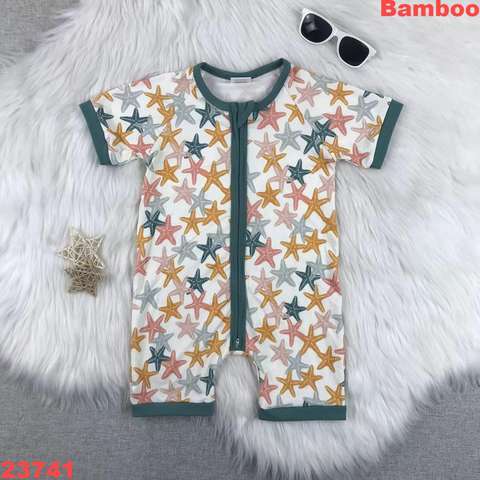
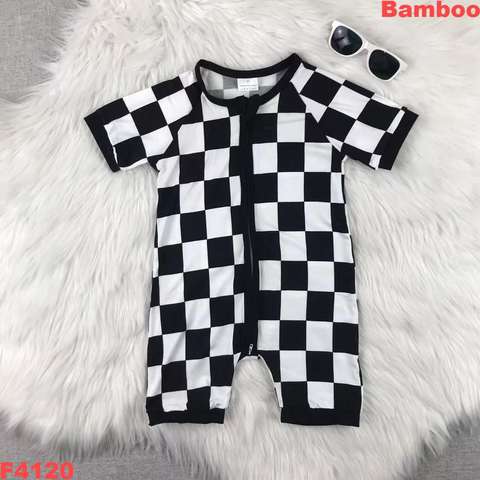
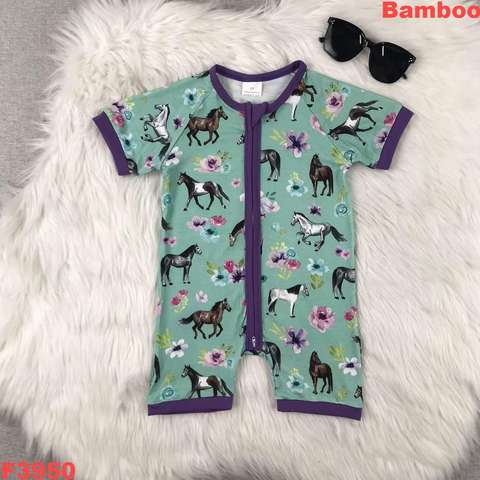
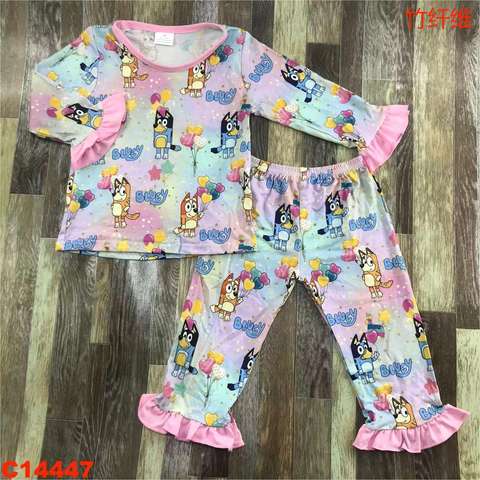
Verified ASTM F963 Bamboo Convertible Zip Romper SMETA Compliant Factories in China
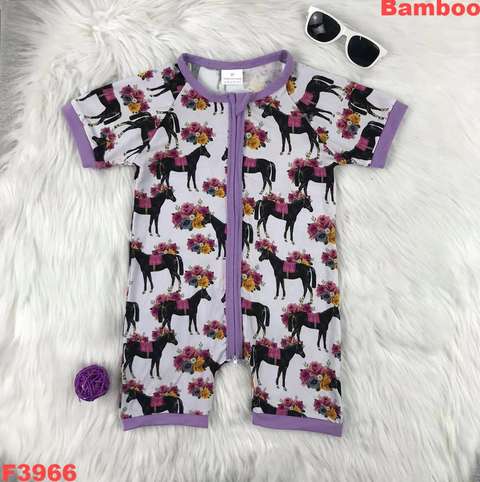
Verified ASTM F963 Bamboo Convertible Zip Romper SMETA Compliant Factories in China

The global apparel industry continues to evolve, with sustainability and ethical manufacturing practices becoming critical benchmarks for brand buyers. Bamboo fabric, known for its softness and eco-friendliness, is increasingly popular in baby and toddler apparel. One standout product in this category is the bamboo convertible zip romper—a practical yet stylish item designed for the fast-paced lives of caregivers and the comfort of little ones. At the core of its appeal is not just the material but also assurance that manufacturing adheres to safety standards and ethical practices. In this article, we’ll explore the importance of sourcing from verified ASTM F963 and SMETA-compliant factories in China, a hub for apparel manufacturing excellence.
The Appeal of Bamboo Convertible Zip Romper
Bamboo fabric has gained significant traction among apparel brands for its exceptional qualities. Naturally hypoallergenic, moisture-wicking, and breathable, it is an ideal choice for babywear and toddler clothing. The bamboo convertible zip romper takes these benefits a step further, offering versatility with its convertible design. Functionality meets aesthetics with seamless zippers, enabling quick outfit changes—an essential feature for parents seeking convenience without compromising on style.
However, as demand for bamboo rompers increases, so does scrutiny over manufacturing practices. Brand buyers seeking long-term partnerships want assurances not only on fabric quality but also on safety compliance and ethical production standards. Selecting verified factories in China that meet rigorous benchmarks, such as ASTM F963 and SMETA guidelines, ensures these expectations are met.
What is ASTM F963, and Why Does it Matter?
ASTM F963 is the globally recognized Standard Consumer Safety Specification for Toy Safety. While it primarily applies to toys, its testing protocols are also utilized in apparel components and accessories for children to eliminate potential hazards. This includes zipper functionality, choking risks, and safe chemical compositions. For bamboo convertible zip rompers, compliance with ASTM F963 signals that every aspect of the garment—from the zippers to the stitching—has been safety tested, providing brand buyers with confidence in quality.

When sourcing bamboo rompers, partnering with a factory tested for ASTM F963 compliance minimizes risks and liability concerns for brands. In China, factory managers equipped with ASTM certifications are transparent in sharing lab reports and collaborating during testing, ensuring that all clothing products meet stringent safety criteria.
Why SMETA Compliance is Critical for Ethical Manufacturing
SMETA (Sedex Members Ethical Trade Audit) is one of the most trusted ethical audit methodologies globally. It examines factories through multiple lenses of accountability: labor standards, health and safety protocols, environmental impact, and business ethics. SMETA compliance is an essential filter for brand buyers who prioritize integrity and seeking manufacturing partners aligned with corporate social responsibility (CSR) goals.
Factories that meet SMETA standards not only demonstrate adherence to ethical practices but also distinguish themselves in competitive markets. Bamboo convertible zip rompers produced in SMETA-compliant factories assure buyers that worker conditions are safe, fair wages are upheld, and environmental footprints are controlled. These assurances elevate brands in the eyes of discerning consumers demanding transparency across supply chains.
Why Sourcing in China is Both Strategic and Reliable
China remains a leading choice for apparel manufacturing, offering unmatched expertise, scalability, and competitive pricing. However, navigating such a vast supplier network requires careful selection to ensure compliance and quality. As a senior clothing factory manager experienced in working with global brand buyers, I recommend prioritizing verified partners equipped with ASTM F963 testing facilities and undergoing SMETA audits.
China-based factories have streamlined production processes tailored for bamboo fabric treatments, ensuring that clothing retains its softness and durability post-manufacturing. Additionally, many SMETA-compliant bamboo apparel factories in China have adopted sustainable practices such as water recycling, chemical-free dyeing, and efficient energy usage—adding value for eco-conscious brands.
Key Considerations for Brand Buyers
When working with bamboo apparel manufacturers in China, there are several factors to evaluate:
BAMBOO CONVERTIBLE ZIP ROMPER Production Specs
| Product Line | Bamboo Convertible Zip Romper |
| Order Capacity | 10pcs (Supports White-Label Manufacturing) |
| Compliance | ASTM F963 |
| Export Service | White-Label Manufacturing |
| Fabric Type | GOTS Organic Cotton |
- Certification Transparency: Ask for ASTM F963 test reports and SMETA audit documentation to verify compliance.
- Material Expertise: Ensure the factory is experienced in working with bamboo fabric and understands its unique handling requirements.
- Customization Potential: Assess the factory’s ability to design rompers that match your brand’s aesthetic, including prints, colors, and finishes.
- MOQ Flexibility: Determine if the factory can accommodate your Minimum Order Quantity (MOQ) while scaling for future demand increases.
- Sustainability Commitments: Evaluate carbon-neutral initiatives, waste management protocols, and energy efficiency across manufacturing processes.
Partnering strategically allows brand buyers to achieve high-quality garments while enhancing their position as ethical and sustainable industry leaders.
How to Vet SMETA Compliant Bamboo Romper Factories
Vetting factories in China requires a thorough review of documentation, site visits, and collaboration with trusted sourcing agents or auditing firms. As a factory manager, I’ve had ample experience onboarding brand buyers into long-term partnerships. Here are actionable tips:
- Request third-party audit reports from organizations like SGS and Bureau Veritas for safety and compliance checks.
- Visit the factory where possible, or schedule virtual tours using platforms that enable live assessments.
- Engage factories with multilingual communication capabilities to streamline contractual agreements and ensure clarity in requirements.
These steps foster stronger relationships between brands and manufacturers, ensuring mutual growth and sustainability.
Sourcing bamboo convertible zip rompers from verified ASTM F963 and SMETA-compliant factories in China is a strategic move for brand buyers aiming to balance quality, safety, and ethical manufacturing. As a senior clothing factory manager, I encourage brands to leverage China’s robust manufacturing capabilities and prioritize compliance certifications to build confidence in their supply chains. With the right factory partner, you can deliver exceptional bamboo apparel that resonates with both retailers and end consumers while reinforcing your commitment to safety and sustainability.