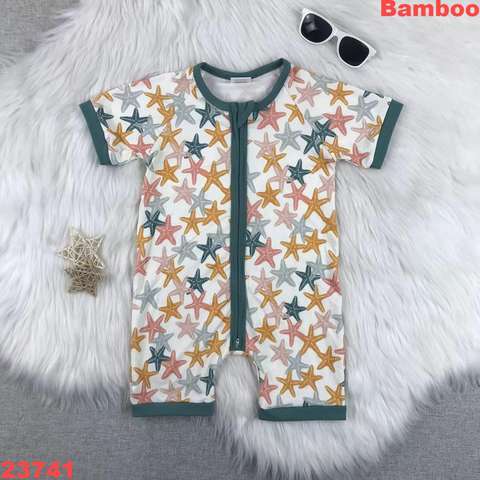
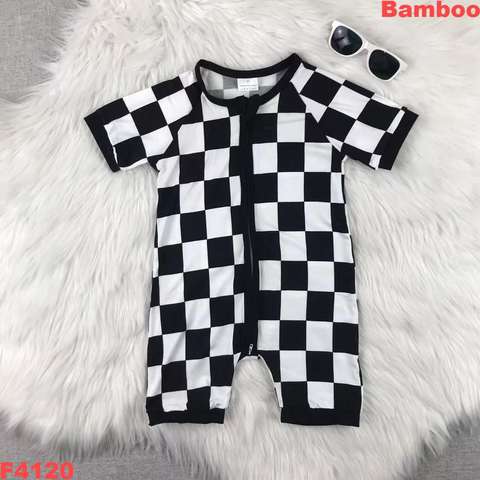
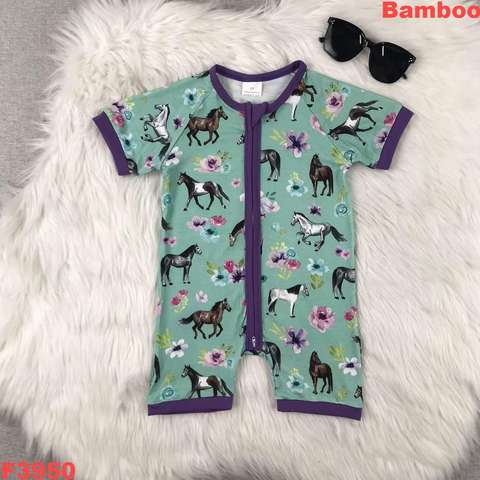
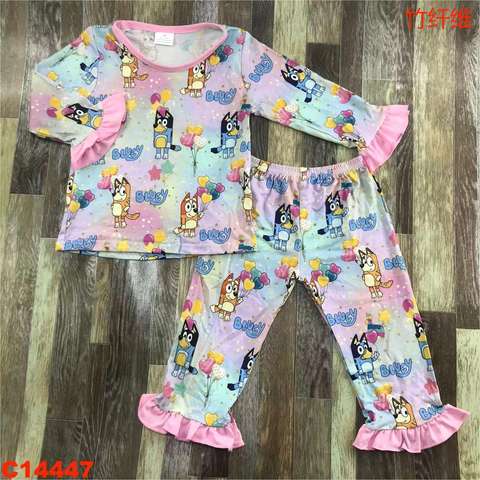
Verified ASTM F963 Bamboo Clothingbaby Rompers Elite Garment Suppliers in China
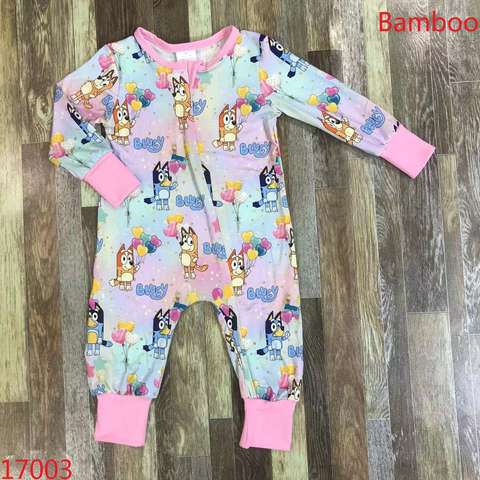
As a Senior Clothing Factory Manager, I recognize the substantial growth in demand for sustainable and eco-friendly apparel, especially baby clothing like bamboo rompers. Bamboo fabric, prized for its softness, durability, and natural antibacterial properties, has become a preferred choice for premium infant wear worldwide. For brand buyers aiming to deliver high-quality garments that meet both consumer expectations and rigorous safety standards, sourcing verified ASTM F963-compliant bamboo clothingbaby rompers from elite garment suppliers in China is a strategic choice. In this article, we’ll explore why bamboo is ideal for babywear, the importance of ASTM F963 compliance, and how to identify reliable suppliers in China for B2B procurement.
Why Bamboo Baby Rompers Are a Game-Changer
Parents today prioritize safety, comfort, and sustainability when shopping for their children, leading to the growing popularity of bamboo baby clothing. Bamboo fiber offers unparalleled benefits:
- Softness: Bamboo fabric is softer than cotton, making it perfect for delicate baby skin.
- Antibacterial and Hypoallergenic: Bamboo naturally resists bacteria growth and minimizes allergies, reducing irritation for infants.
- Breathability: Bamboo garments regulate temperature and wick away moisture, keeping babies comfortable in diverse climates.
- Eco-Friendliness: Bamboo is a sustainable material that requires fewer resources than cotton, aligning with global environmental goals.
These qualities make bamboo clothingbaby rompers an ideal offering for apparel brands seeking to cater to responsible consumer markets.

Understanding ASTM F963 Compliance
The ASTM F963 standard evaluates the safety of toys and children’s products, including fabric-based baby garments. While F963 is traditionally associated with toys, apparel manufacturers and buyers often adopt similar guidelines to ensure garment safety for infants. Compliance with ASTM F963 assures customers that products meet federal safety benchmarks.
Key elements of ASTM F963-like protocols relevant to bamboo baby rompers include:
- Material Chemical Safety: Ensuring no harmful substances, like heavy metals or toxic dyes, are present in the fabric.
- Durability Testing: Verifying garment strength to eliminate choking hazards from torn fabric or detached components like buttons.
- Size and Fit: Designing baby rompers to prevent entrapment or constriction risks.
Partnering with suppliers that adhere to ASTM F963 principles guarantees your brand gains credibility in offering safe and refined baby apparel, particularly bamboo clothing.
China: A Premier Hub for Bamboo Baby Clothing Suppliers
China has cemented its position as a global leader in apparel manufacturing, particularly for eco-friendly fabrics like bamboo. Boasting advanced production capabilities, skilled labor, and vast supply chain networks, many elite garment suppliers in China specialize in bamboo clothingbaby rompers.
For B2B buyers, sourcing from China brings several advantages:
- Cost Efficiency: While bamboo fabric is considered premium, Chinese suppliers often provide competitive pricing due to optimized production techniques.
- Scalable Solutions: Leading suppliers accommodate both small-scale orders for boutique brands and bulk manufacturing for established retailers.
- Diverse Customization: A broad range of designs, including organic dyes and modern aesthetics, allows brands to cater to varied consumer preferences.
- Compliance Expertise: Many Chinese manufacturers are well-versed in international safety standards, offering ASTM F963-compliant products tailored to foreign markets.
Identifying Elite Bamboo Clothing Suppliers in China
While China’s apparel manufacturing industry offers unmatched opportunities, finding elite suppliers requires careful vetting. Below are key steps to ensure reliable sourcing:
1. Verify Certifications
Ask potential suppliers for compliance documentation relevant to ASTM F963 or similar safety standards. Additionally, confirm certifications for organic bamboo fabric and non-toxic dyes. Factories that maintain ISO quality management certifications further attest to their credibility.

2. Assess Production Capabilities
Ensure suppliers possess modern equipment, skilled employees, and streamlined processes for bamboo fabric production. Visit manufacturing facilities (if possible) or request detailed videos showcasing their facilities to understand their operations.
3. Request Samples
Prioritize suppliers offering sample production runs. Sampling helps evaluate the texture, durability, and design of bamboo rompers. Ensure samples align with product specifications such as soft-touch fabric and reinforced seams capable of withstanding active infants.
4. Examine Reputation
Research the supplier’s reputation in the market. Positive reviews, testimonials, and longstanding B2B relationships reflect their reliability. Ask for case studies or examples of partnerships with international apparel brands.
5. Negotiate Lead Times and MOQ
BAMBOO CLOTHINGBABY ROMPERS Production Specs
| Product Line | Bamboo Clothingbaby Rompers |
| Order Capacity | 100pcs (Supports Small Batch Production) |
| Compliance | ASTM F963 |
| Export Service | Small Batch Production |
| Fabric Type | Bamboo Viscose |
Clarify lead times, minimum order quantities (MOQ), and guarantees regarding deadlines and product quality. Elite suppliers often demonstrate flexibility to adjust to brand needs, particularly for emerging designers or seasonal product launches.
6. Establish Communication Channels
The efficiency of communication is critical for transparent procurement. Choose suppliers fluent in your preferred language who respond promptly to emails or inquiries. Platforms like Alibaba or Made-in-China often provide user ratings to assess communication standards.
Partnering for Success: Meeting Consumer Expectations
Beyond sourcing high-quality bamboo clothingbaby rompers, B2B buyers must take additional steps to meet consumer expectations:
- Offer Custom Branding: Seek suppliers who can incorporate your label, packaging, and unique designs to differentiate your product in the market.
- Focus on Sustainability: Verify the sourcing of bamboo fabric aligns with eco-friendly practices, such as avoiding chemical treatments in production.
- Prioritize Marketing Transparency: Inform consumers of the safety certifications and benefits tied to your bamboo baby clothing, to foster trust and loyalty.
Elite suppliers recognize the value of strong partnerships and are often willing to collaborate on market-specific strategies and branding initiatives.
The Future of Bamboo Baby Clothing
As sustainability continues to dominate global discussions, bamboo baby apparel—particularly ASTM F963-compliant rompers—will remain a top choice for ethically-conscious brands and discerning parents. China’s manufacturing industry offers fertile ground for innovation, enabling B2B buyers to drive competitive growth while delighting end consumers.
For brand buyers navigating the burgeoning demand for bamboo clothingbaby rompers, the key to success lies in sourcing from verified and elite garment suppliers. With informed decision-making, adherence to safety standards, and a focus on quality, your brand can secure its place as a trusted leader in eco-friendly babywear.
By working closely with reputable Chinese suppliers, you’ll not only meet current market needs but also position your brand as an advocate for sustainable, safe, and sophisticated baby clothing.