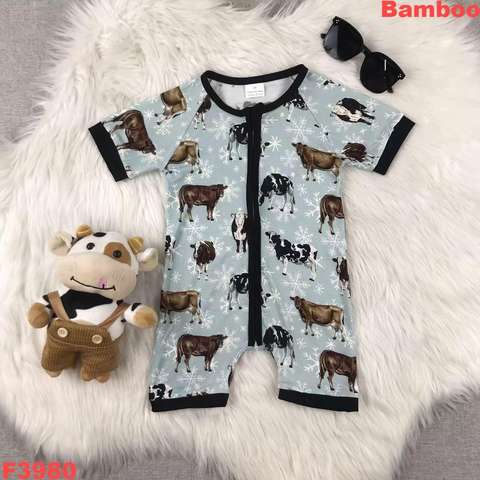
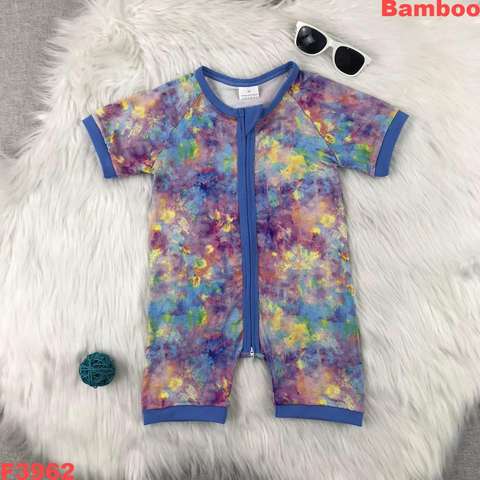
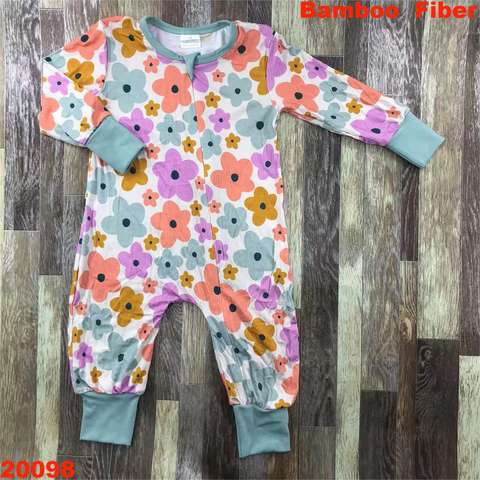
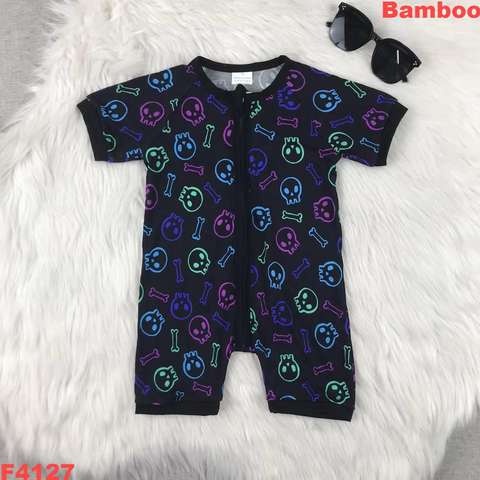
Verified ASTM F963 Baby Romper OEM/ODM Specialist Factories in China
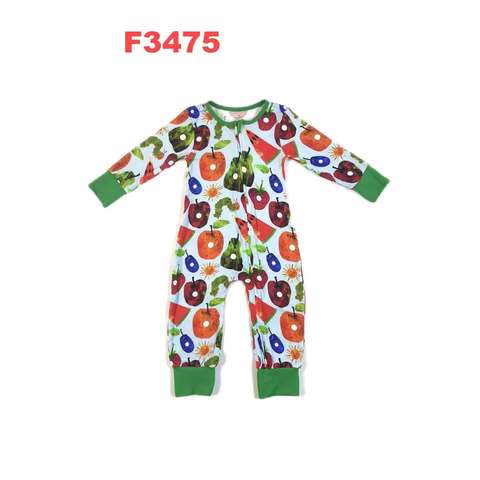
Verified ASTM F963 Baby Romper OEM/ODM Specialist Factories in China
As a senior clothing factory manager with over two decades of experience in baby apparel manufacturing, I’ve witnessed the evolution of infant wear and the growing emphasis on stringent safety regulations. When producing baby rompers, it’s no longer just about aesthetic designs or competitive pricing; compliance with safety standards has become a core requirement for global buyers. Among these, the ASTM F963 standard for toy safety often comes into play in baby apparel manufacturing, particularly for attached components like zippers, snaps, and embellishments.
For international brands and private-label businesses eyeing the lucrative infantwear market, finding capable and verified baby romper OEM (Original Equipment Manufacturer) and ODM (Original Design Manufacturer) factories in China is key. Partnering with a factory that not only meets your production needs but also ensures compliance with ASTM F963 can save time, protect your brand's reputation, and ultimately ensure consumer trust.
In this article, we’ll explore what sets verified Chinese manufacturers apart, why ASTM F963 compliance matters for baby rompers, and how to select the ideal partner for your brand.
Understanding ASTM F963's Relevance to Baby Apparel
Though originally developed for toys, ASTM F963 applies to certain functional and decorative components of infantwear, particularly in products like baby rompers. Elements such as snaps, buttons, zippers, sewn-in toys, or even decorative attachments must undergo rigorous safety testing to ensure they don't pose choking, ingestion, or other hazards for infants. While not all components of a baby romper fall under ASTM F963, its guidelines significantly influence the material selection, design, and manufacturing process.
Partnering with a factory that recognizes and integrates these standards into production processes is non-negotiable for retailers and brands looking to enter markets with stringent safety regulations like the U.S., Canada, and Europe.
What Makes China a Hub for Verified ASTM F963 Baby Romper Factories?
China has long been a powerhouse in apparel manufacturing, offering manufacturers with vast experience, scalability, and cost-efficiency. In recent years, the country has also made significant strides in specialized babywear manufacturing. Many Chinese OEM/ODM facilities now focus exclusively on high-precision infant and children’s garment production, which includes adhering to global safety standards like ASTM F963, CPSIA (Consumer Product Safety Improvement Act), and EN 71.
The attributes that make Chinese factories attractive options for ASTM F963-compliant baby romper manufacturing include:
- Advanced Manufacturing Equipment: Verified factories in China regularly invest in automated sewing machines, ultrasonic bonding equipment, and snap-testing devices designed to ensure components pass safety compliance checks.
- Skilled Workforce: Chinese apparel factories often employ experienced technicians, pattern-makers, and inspectors who receive specialized safety training for handling babywear production.
- Certifications and Audits: Many factories obtain third-party certifications, including BSCI, ISO 9001, and Sedex, bolstering their credibility as safe and reliable babywear producers.
Additionally, these facilities are often familiar with conducting independent testing through renowned labs such as SGS, Intertek, and TUV Rheinland to verify their compliance with ASTM F963 and other standards.
Key Considerations When Selecting an ASTM F963-Compliant OEM/ODM Baby Romper Factory
Choosing a manufacturing partner for babywear requires careful evaluation. Below are critical factors to keep in mind when shortlisting and selecting an ideal vendor:
1. Verified Compliance
Always ask for documented proof of ASTM F963 compliance. A trustworthy factory will have detailed test reports and certifications from third-party testing labs. For baby rompers, inquire specifically about durability and safety protocols for attachments, stitching strength, and raw material toxicity.
2. Product Development Capabilities

Work with a factory that offers outstanding ODM services if you’re seeking unique, proprietary designs. Their innovation teams should be able to translate your brand’s vision into safe, functional, and aesthetically appealing baby romper designs while adhering to safety standards.
3. Quality Assurance Systems
Robust QA systems ensure defects are caught early, and substandard products never reach your market. Ask potential suppliers about their in-line and end-of-line inspection processes, as well as their track record for issues related to product recalls or compliance violations.

4. Experience in Children’s Apparel
Factories specializing in baby and infant apparel are more adept at understanding market-specific requirements, such as fabric softness, allergen-free dyes, reinforced stitching, and ease of wear for both babies and parents.
5. Order Flexibility and Lead Times
Whether you’re testing the market with small MOQs (Minimum Order Quantities) or scaling up for a global launch, choose a factory that offers flexibility without compromising quality. Equally important are reasonable lead times that align with your marketing and sales schedules.
6. Factory Audits
Before finalizing any agreement, conduct on-site or virtual audits to inspect working conditions, production capabilities, and compliance adherence. Platforms like Alibaba, Global Sources, and Made-in-China often highlight audited suppliers, but direct verification is always recommended.
Prominent ASTM F963-Compliant Babywear Manufacturing Regions in China
China’s apparel manufacturing ecosystem is geographically spread, but certain regions have become synonymous with babywear expertise:
- Zhejiang Province: Known for mass production capabilities and competitive pricing, particularly in cities like Ningbo and Wenzhou.
- Guangdong Province: Home to innovative designs and OEM/ODM factories focusing on high-end baby rompers. Key cities include Guangzhou, Dongguan, and Shenzhen.
- Jiangsu Province: Recognized for premium-quality fabrics and sustainable infantwear manufacturing, centered around Suzhou and Nanjing.
Why ASTM F963 Compliance Fuels Consumer Confidence
In a world where parents are increasingly aware of product safety, ASTM F963 compliance is more than just a regulatory necessity—it’s a hallmark of trust and brand reliability. Transparent adherence to such standards protects your brand from recalls, legal disputes, and reputational harm while giving customers the peace of mind that their child’s safety is paramount.
BABY ROMPER Production Specs
| Product Line | Baby Romper |
| Order Capacity | 20pcs (Supports Rapid Sample Development) |
| Compliance | ASTM F963 |
| Export Service | Rapid Sample Development |
| Fabric Type | Premium Modal |
By choosing an ASTM F963-compliant OEM/ODM baby romper factory, you position your brand as a responsible player in the competitive babywear market.
Final Thoughts
Navigating the complexities of babywear manufacturing requires strategic partnerships that prioritize safety and quality. Verified ASTM F963-compliant baby romper factories in China are an excellent starting point for global brands. By aligning with the right manufacturing partner, you can elevate your product offering, meet compliance requirements, and forge lasting trust with your customer base.
If you’re ready to explore verified factories or need assistance optimizing your supply chain, reach out for professional guidance—I’m here to help you build a successful and compliant babywear line.