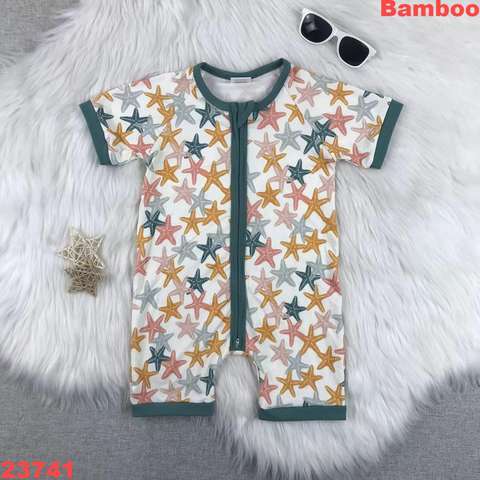
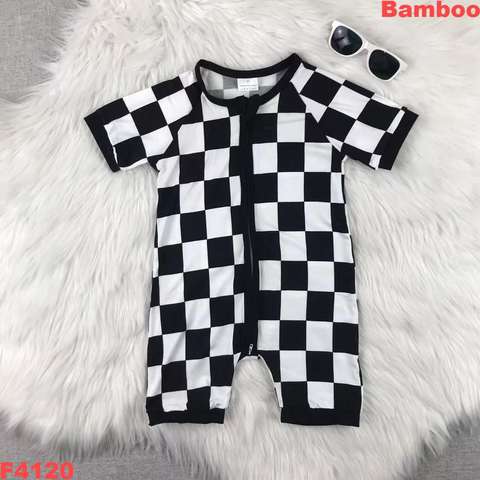
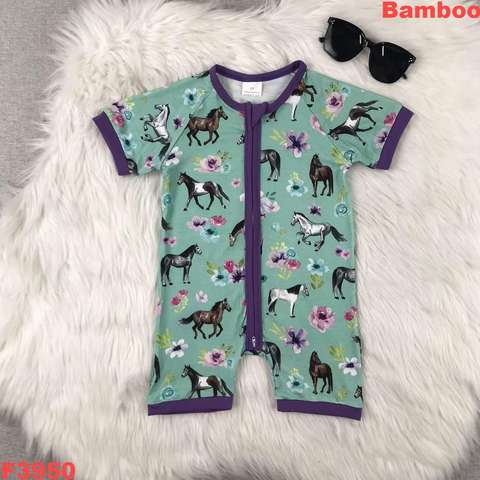
SMETA Compliant Factories for Bamboo Baby Romper - ASTM F963 & Rapid Sample Development
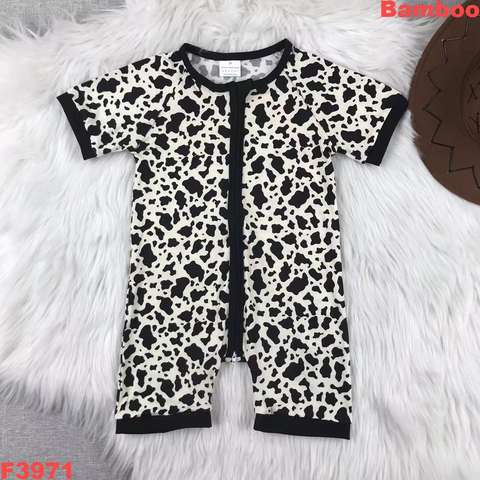
Understanding consumer demands for eco-friendly and ethically produced goods is crucial for brands looking to succeed in today's competitive baby apparel market. The bamboo baby romper represents a perfect example of sustainability meeting practicality, but for brands to succeed, their manufacturing partners must align with rigorous quality, safety, and ethical standards. As a senior clothing factory manager, I want to share insights into how SMETA-compliant factories, adherence to ASTM F963 safety standards, and efficient rapid sampling processes can position bamboo baby romper brands for unparalleled growth.
What Is SMETA Compliance and Why Does It Matter?
SMETA (Sedex Members Ethical Trade Audit) compliance underscores a factory's commitment to ethical manufacturing standards. It evaluates labor practices, health and safety, environment, and business ethics within the production chain. For bamboo baby rompers, SMETA compliance ensures your products adhere to ethical working conditions, fair wages, and environmental sustainability, which are essential for drawing brand loyalty from conscious consumers and meeting corporate social responsibility (CSR) metrics.
As a factory manager overseeing SMETA-compliant operations, I can confirm that the audit process is a thorough but rewarding one. It not only affirms our credibility in the global marketplace but also streamlines trust with brand buyers. For baby rompers, where sensitive skin and parental trust dictate purchasing decisions, ethical production adds an uncompromisable layer of assurance.
ASTM F963 Compliance: Safety First

While SMETA compliance ensures ethical production, ASTM F963 guarantees product safety for the youngest consumers. ASTM F963 is a comprehensive set of safety standards primarily for children’s products, and though initially designed for toys, many of its guidelines apply broadly to children's apparel and accessories. Bamboo baby rompers designed and manufactured with ASTM F963 compliance ensure that materials, construction methods, and chemical usage meet stringent industry safety standards.
For instance, bamboo fabric is naturally hypoallergenic and antimicrobial, making it an ideal choice for baby rompers. Still, our SMETA-compliant factories take every precaution to ensure dyes, stitching methods, and trims comply with ASTM F963. Leveraging these dual certifications—ethical production and product safety—provides brands with solid ground for trust-building with discerning end consumers.
Rapid Sample Development: Streamlining Time-to-Market
Why should bamboo baby romper manufacturers prioritize rapid sample development? In the high-stakes world of apparel retail, agility equals success. Rapid sampling allows brands to validate designs, test materials, and approve production methods swiftly while staying ahead of fashion trends and seasonal launches.
In SMETA-compliant factories, rapid sample development is a cornerstone of our manufacturing approach. Here's how we achieve this:
- Prototyping Process Optimization: From the moment we receive design specifications, we ensure that every detail—from dimensional accuracy to fabric stretch—meets brand expectations. Using advanced cutting and stitching techniques, sample pieces are produced and evaluated within days.
- Dedicated Sample Teams: Our factories maintain dedicated sample development teams specializing in baby apparel, ensuring the designs are accurately translated into tangible products with baby-safe trims, snaps, and seams.
- Transparent Collaboration: Rapid sampling doesn’t mean cutting corners. We involve brand buyers at every stage, providing live updates, virtual sample reviews, and even overnight courier options for physical samples.
- Quality Verification: Whether it's tensile testing for snap closures or determining the wash cycle durability of bamboo fabric, each sample undergoes stringent quality controls before passing to mass production stages.
With these streamlined processes, brands can iterate and refine designs quickly—ensuring timely launches that capture target audiences while reducing costly delays associated with sample development bottlenecks.
Why Bamboo Baby Rompers Are a Lucrative Market Segment
Bamboo fabric is revolutionizing the baby apparel sector. Its natural properties—softness, breathability, and environmentally sustainable cultivation—are unmatched. Parents demand clothing that supports their baby’s delicate skin, and bamboo delivers exactly that.
As a manufacturer, we understand the task isn’t merely about creating bamboo baby rompers but doing so at competitive pricing while maintaining top-tier quality. SMETA compliance and ASTM F963 adherence bolster product credibility, while rapid sampling ensures the latest market trends are met head-on.
Key Benefits for Brand Buyers
Partnering with a SMETA-compliant, ASTM F963-certified clothing factory provides mutual advantages for both manufacturers and brand buyers. For bamboo baby romper brands, specific benefits include:
- Enhanced Consumer Trust: Certifications reassure parents that products are safe, ethically produced, and suitable for their baby’s sensitive needs.
- Sustainability Alignment: Bamboo cultivation aligns with reducing environmental impact while ethical production standards boost brand reputation.
- Cost-Efficient Sampling: Rapid prototyping minimizes resource wastage, lowers sampling costs, and accelerates time-to-market constraints.
- Global Market Entry: Many international markets require adherence to standards like ASTM F963, opening doors for broader distribution networks.
: Positioning for Long-Term Success
, bamboo baby rompers represent a unique opportunity for brands to tap into booming eco-conscious consumer segments. However, success hinges on finding the right manufacturing partner—one that balances ethical production, safety compliance, and efficiency. By working with SMETA-compliant factories that adhere to ASTM F963 and employ rapid sample development, brands can fulfill their promises of quality, safety, and sustainability to their end customers.

As a senior clothing factory manager, I invite brands to explore tailored bamboo baby romper manufacturing solutions that are not only compliant but designed with scalability and market agility in mind. Let’s collaborate to elevate your brand in the competitive baby apparel market while staying true to ethical and environmental principles.
BAMBOO BABY ROMPER Production Specs
| Product Line | Bamboo Baby Romper |
| Order Capacity | 20pcs (Supports Rapid Sample Development) |
| Compliance | ASTM F963 |
| Export Service | Rapid Sample Development |
| Fabric Type | Bamboo Viscose |