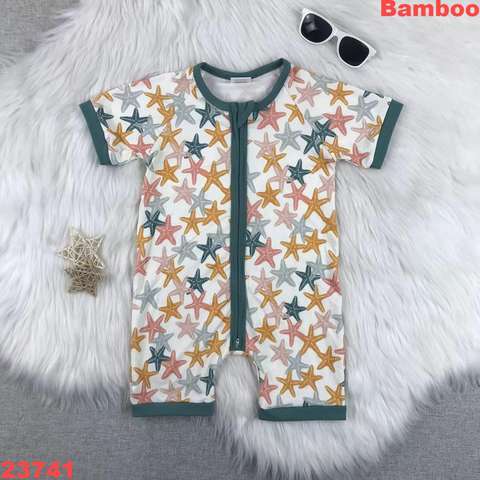
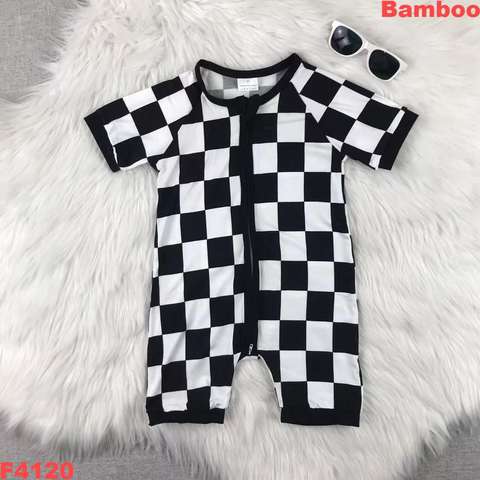
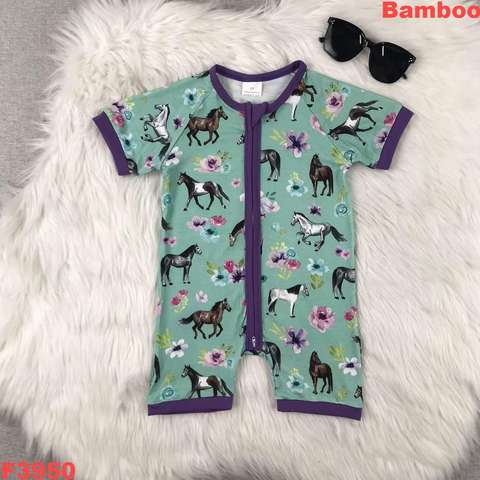
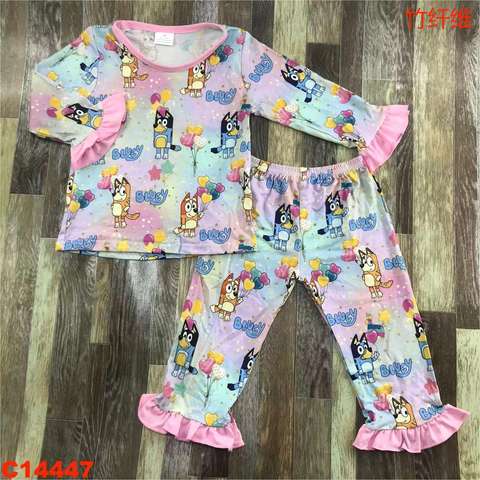
SEDEX (SMETA) Compliant Bamboo Pajamas Newborn OEM/ODM Specialist Factories: Low MOQ Factory
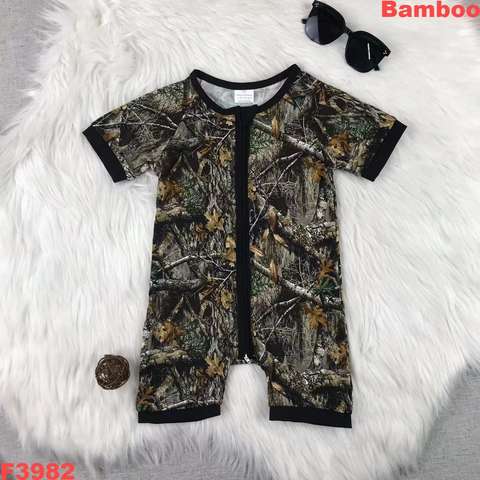
In today’s global apparel manufacturing ecosystem, compliance with ethical and sustainable practices is no longer a “nice-to-have” but a fundamental necessity. For brands and retailers looking to source premium quality bamboo pajamas for newborns, partnering with a SEDEX (SMETA) compliant factory ensures both product excellence and adherence to global industry standards. As an apparel industry veteran, I understand the intrinsic value of aligning with specialized OEM/ODM factories that emphasize not only product creation but also corporate social responsibility and sustainability. This article delves deeper into why SEDEX-compliant factories with low MOQ (Minimum Order Quantity) provisions are the ultimate solution for sourcing newborn bamboo pajamas.
Why SEDEX (SMETA) Compliance Matters in Bamboo Newborn Apparel Manufacturing
SEDEX, or the Supplier Ethical Data Exchange, is one of the most widely recognized platforms for monitoring corporate ethics, labor standards, health & safety, and environmental integrity across supply chains. The accompanying audit methodology, SMETA (Sedex Members Ethical Trade Audit), ensures that the factory meets stringent global compliance benchmarks.
This level of compliance is critical in manufacturing bamboo-based newborn garments for several reasons:
- Transparency for Brand Trust: SEDEX-compliant factories consistently meet ethical sourcing standards that today’s discerning customers and retailers demand.
- Assurance of Safe Working Conditions: Safe and fair labor practices translate into high-quality production and align with your brand values.
- Environmental Priority: Bamboo is an eco-friendly fabric choice, and working with a SEDEX-compliant factory ensures environmental stewardship in the entire manufacturing process.
For brands, collaborating with ethical and transparent partners isn't just a strategy – it’s a necessity for sustainable growth in a consumer-driven environment.
The Unique Advantages of Bamboo Pajamas for Newborns
Bamboo fabric has gained significant popularity in the newborn apparel sector owing to its myriad of advantages:
- Softness and Comfort: Bamboo fabric is incredibly soft, making it ideal for a newborn’s sensitive skin.
- Hypoallergenic Properties: Clothing made from bamboo is naturally hypoallergenic and antibacterial, offering maximum safety for delicate skin.
- Temperature Regulation: Bamboo is a breathable and moisture-wicking material, ensuring that newborns stay cool in summer and warm in winter.
- Eco-friendliness: Bamboo cultivation requires minimal water, no pesticides, and grows quickly, supporting a sustainable production approach.
The ability to combine ethically manufactured fabrics with SEDEX-certified facilities creates a powerful synergy for producing premium bamboo pajamas tailor-made for newborns.
OEM vs. ODM: Choosing a Model That Aligns with Your Apparel Brand
When working with specialized factories, understanding the manufacturing options is key:
- OEM (Original Equipment Manufacturer): In an OEM setup, the brand provides its own designs, and the factory handles manufacturing. For example, if your brand has custom bamboo pajama designs for newborns, an OEM factory would bring them to life while ensuring strict adherence to quality standards.
- ODM (Original Design Manufacturer): An ODM approach involves factories providing design guidance and ready-to-use templates. This is ideal for brands that are entering the newborn bamboo apparel segment and need complete design support.
In either case, a SEDEX-compliant factory offering OEM/ODM services ensures that all processes – from fabric procurement to packaging – meet the highest ethical and quality standards. , working with low MOQ factories is especially beneficial for small-to-medium-sized brands and startups exploring niche markets.
The Role of Low MOQ Factories in Supporting Startups and Emerging Brands
Many brands, particularly new entrants, face challenges with high Minimum Order Quantities in traditional manufacturing setups. Low MOQ factories specializing in bamboo newborn pajamas address this pain point effectively:
- Reduced Financial Risk: Small order quantities remove the need for excessive upfront investment, making it viable for brands to test new designs or penetrate niche markets.
- Faster Time-to-Market: Low MOQ production facilitates quicker turnaround times, enabling brands to roll out seasonal or trend-based collections efficiently.
- Enhanced Customization: A lower order threshold grants more flexibility to create personalized designs without the pressure of meeting high production quotas.
This low MOQ approach is ideal for private-label newborn bamboo pajamas, allowing designers and SMEs to cater to eco-conscious parents without compromising on affordability or quality.

Key Features of a SEDEX-Compliant Bamboo Newborn Pajama Factory
As someone who has been managing apparel factories for decades, I’ve seen trends come and go. What remains constant, however, is the importance of identifying factories that not only uphold compliance standards but also exhibit exceptional technical expertise. Here are some key features to look for:
- Fabric Expertise: The ability to work with bamboo fabric, from knitting and dyeing to finishing processes, is a must-have skill set.
- Custom Design Options: Capabilities like printing, embroidery, and embellishments are essential for producing appealing newborn designs.
- Low Defect Rate: Factories should employ rigorous quality control processes during each stage of production.
- Sustainability Focus: From sourcing FSC-certified bamboo to minimizing textile waste, eco-conscious operations are critical.
- Client Collaboration: SEDEX-compliant factories actively communicate with brand partners, offering progress updates and maintaining transparency throughout production.
Working with such a factory not only strengthens supply chain efficiency but also elevates your brand’s standing among ethically conscious consumers.
How to Find a Trusted SEDEX (SMETA) Compliant Partner for Bamboo Newborn Pajamas
The market is saturated with options, but finding a trusted factory partner that aligns with your brand’s ethos is paramount. Here’s a checklist to help you evaluate your options:

- Verify their SEDEX Membership and SMETA Audit Reports – Ensure they are updated and valid.
- Inspect Sample Outputs – Analyze seams, stitching, print integrity, and craftsmanship of previous collections.
- Discuss MOQ Flexibility – Ensure their MOQ aligns with your production forecast and sales strategy.
- Request Sustainability Credentials – Ask for certifications like FSC for the bamboo fabric, OEKO-TEX® Standard 100, or GOTS (if organic components are involved).
- Communicate Directly – Have pre-production discussions to gauge the factory’s responsiveness and willingness to collaborate.
Choosing the right factory partner isn’t just about cost but about building a long-term relationship that drives mutual success.
Final Thoughts: Building Your Brand with Confidence and Ethics
The increasing demand for ethical, high-quality, and sustainable baby products makes bamboo newborn pajamas a lucrative market segment. By choosing a SEDEX (SMETA) compliant OEM/ODM factory, your brand can ensure compliance with ethical production practices, while leveraging low MOQ options to experiment with creative, eco-efficient designs.
As a senior apparel production manager, I've witnessed firsthand how ethical factory partnerships can transform a brand from an idea into a globally admired product line. Whether you’re launching a newborn pajama brand or scaling an existing line, the right manufacturing partner will be your strongest ally in achieving long-term growth, trust, and customer loyalty.
BAMBOO PAJAMAS NEWBORN Production Specs
| Product Line | Bamboo Pajamas Newborn |
| Order Capacity | 30pcs (Supports Low MOQ Factory) |
| Compliance | SEDEX (SMETA) Compliant |
| Export Service | Low MOQ Factory |
| Fabric Type | Bamboo Viscose |

Let’s foster a future where quality, ethics, and sustainability are seamless parts of the supply chain, creating products that parents trust and babies love.