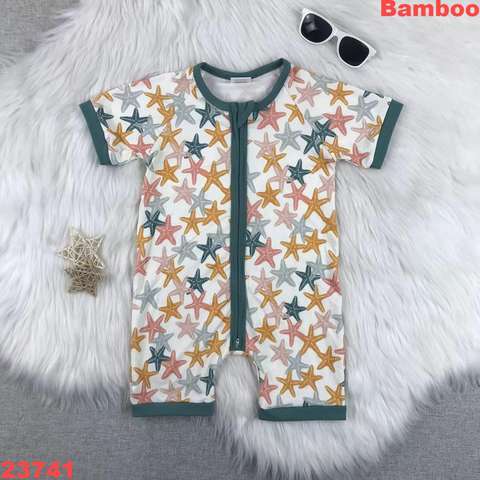
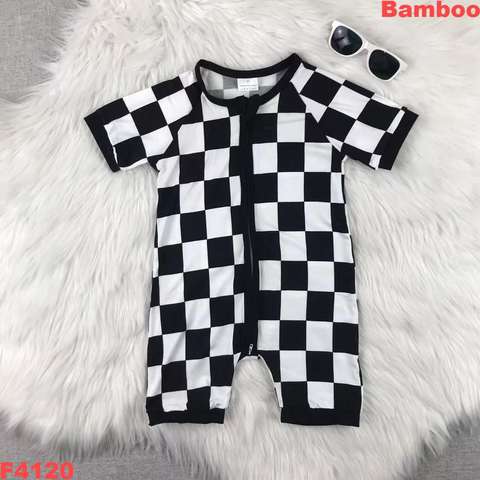
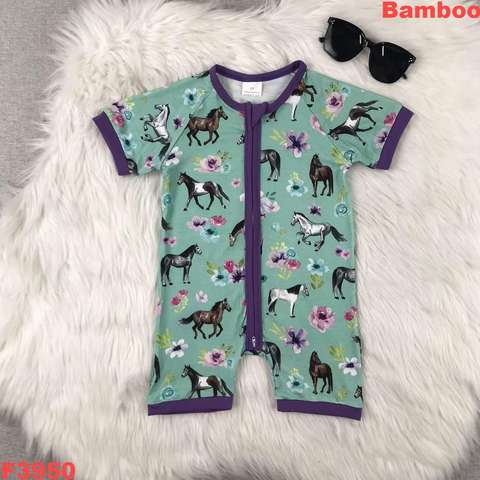
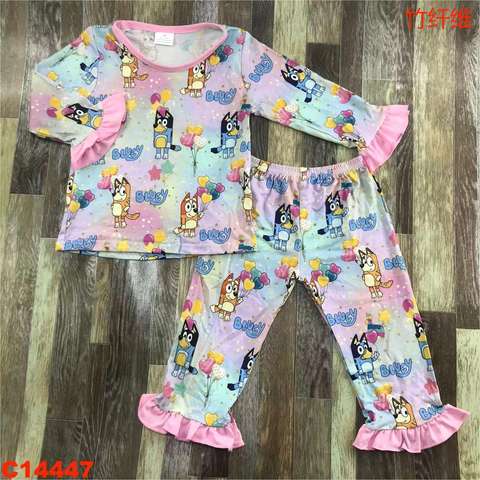
Organic Bamboo Baby Clothes Eco-Conscious Manufacturers with Intertek Verified Standards
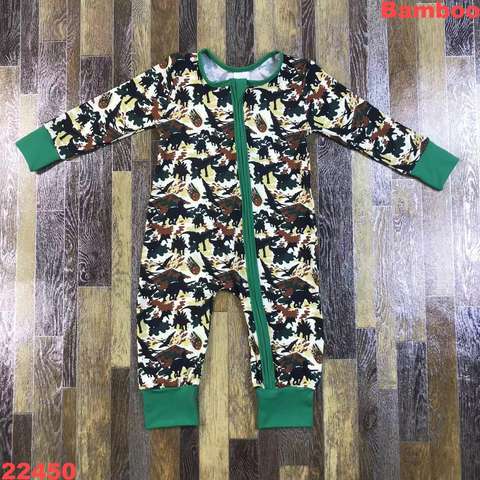
Organic Bamboo Baby Clothes: Eco-Conscious Manufacturers with Intertek Verified Standards
As a senior clothing factory manager who has worked with numerous brands and buyers in the apparel manufacturing space, I can confidently say that the demand for sustainable and eco-conscious products is on the rise. Among these, organic bamboo baby clothes have carved out a prominent niche. With their exceptional softness, natural antibacterial properties, and environmentally friendly benefits, organic bamboo garments are now a preferred choice for parents and eco-conscious brands alike.
In this article, we’ll explore the advantages of manufacturing organic bamboo baby clothes, the importance of certifications like Intertek Verified Standards, and tips for brands looking to partner with reliable eco-conscious factories. Whether you are an established brand or a start-up looking to enter the baby clothing market, this article will help you navigate the complexities of sustainable production and ensure success in developing ethical and high-quality products.
The Rise of Organic Bamboo in Baby Apparel
Bamboo, as a raw material, has gained significant attention in recent years due to its minimal environmental footprint. Compared to conventional cotton or synthetic fibers, bamboo grows quickly and requires less water and pesticides to thrive. When processed into fabric using eco-friendly methods, bamboo retains its natural benefits, such as breathability, hypoallergenic properties, and a silky-soft texture, making it ideal for delicate baby skin.
Organic bamboo baby clothes are suitable for year-round wear because the fabric is naturally thermoregulating, keeping babies warm in winter and cool in summer. , bamboo's antimicrobial and moisture-wicking properties mean baby garments stick to higher hygiene standards—an essential factor in parenting materials.
From onesies and rompers to swaddle blankets and sleepwear, bamboo blends adaptability with comfort. For businesses looking to expand into premium baby clothing, organic bamboo garments aren’t just a smart investment from a product perspective; they’re also an important way to align with consumer values in sustainability and quality.
Why Intertek Verified Standards Matter
One of the biggest challenges in sustainable manufacturing lies in verifying claims of eco-friendliness and product safety. For brands looking to meet consumer expectations and comply with stringent regulations, partnering with manufacturers that adhere to validated standards is critical. This is where certifications like Intertek Verified Standards come into play.
Intertek is a globally recognized leader in testing, inspection, and certification for textiles. Its Verified Standards ensure products meet the highest benchmarks for quality, safety, and sustainability. For brands sourcing organic bamboo baby clothes, selecting factories with Intertek certifications guarantees that production processes are not only eco-conscious but also compliant with international protocols.
Intertek's rigorous testing encompasses elements such as:
- Material Safety: Ensuring bamboo fabrics are free from harmful chemicals, toxins, and heavy metals.
- Compliance with Sustainability Standards: Verifying that manufacturing practices align with eco-friendly methods, such as reducing water waste and using renewable resources.
- Durability and Performance Testing: Evaluating the physical qualities of bamboo fabrics for strength, softness, and wear resistance—important for baby clothes that must withstand frequent use.
- Ethical and Social Compliance Audits: Confirming that factories follow ethical labor practices and adhere to fair working conditions.
For brands, working with manufacturers who have achieved Intertek certification adds a layer of credibility to your products and reassures consumers that your baby clothing line meets elevated standards.
Key Qualities to Look for When Selecting a Manufacturer
When sourcing organic bamboo fabrics for baby apparel, buyers must assess several factors to ensure their manufacturing partner aligns with eco-conscious and commercial goals. Here are some critical insights I’ve learned during my years managing apparel production:
- Raw Material Sourcing: Investigate the manufacturer’s bamboo sourcing practices. True organic bamboo is grown without chemical fertilizers and processed sustainably. Ask your factory about their supply chain and whether their bamboo is certified organic.
- Fabric Treatment: Bamboo fabric can be processed mechanically or chemically. While both methods have their merits, eco-conscious buyers will benefit from mechanical processing as it minimizes environmental impact. Ensure the factory discloses its treatment methods transparently.
- Customization Options: Baby clothes often require quality finishes such as soft seams, non-toxic dyes, and robust snaps or closures. Your manufacturer should offer customization services to meet your product specifications and brand aesthetic.
- Certifications: Confirm that the factory adheres to internationally recognized certifications like Intertek Verified Standards, Standard 100 by Oeko-Tex, or Global Organic Textile Standard (GOTS). These ensure the fabric is safe and ethically produced.
- Cost Efficiency: Bamboo garments can be pricier compared to conventional materials due to their premium quality. Work with manufacturers who balance affordability with eco-friendly practices without compromising on product integrity.
The Partnership Process: What to Expect
Once you've identified a potential manufacturing partner specializing in organic bamboo baby clothes, the partnership process typically includes the following stages:
1. Sample Development: Most factories will provide samples so you can assess the fabric’s softness, durability, and final product quality. Be prepared to outline your desired designs and quality standards.

2. Certification Reviews: Request documentation of certifications like Intertek Verified Standards, ensuring compliance with required protocols.

3. Production Timeline Arrangement: Establish clear timelines for bulk production, understanding potential challenges that may arise, particularly when using specialized materials like bamboo.
4. Quality Checks: Perform quality control inspections before shipment to confirm all garments meet your specifications.
ORGANIC BAMBOO BABY CLOTHES Production Specs
| Product Line | Organic Bamboo Baby Clothes |
| Order Capacity | 20pcs (Supports Bulk Wholesale Discounts) |
| Compliance | Intertek Verified |
| Export Service | Bulk Wholesale Discounts |
| Fabric Type | Bamboo Viscose |
Market Impact of Eco-Friendly Bamboo Baby Clothes
Brands that choose sustainable manufacturing for bamboo baby clothes have a unique selling point in the competitive marketplace. Eco-conscious consumers are willing to pay a premium for sustainable, high-quality products that align with their values. By emphasizing attributes such as organic materials and certifications like Intertek Verified Standards, brands can build consumer trust and differentiate themselves.

If you’re in the B2B apparel space, the decision to partner with eco-conscious manufacturers is an investment in your brand’s long-term reputation. As we move toward a greener future, the demand for sustainable baby clothing will continue to grow, making organic bamboo garments a robust addition to your product lineup.
Organic bamboo baby clothes are more than just a trend—they represent a responsible approach to manufacturing that meets the needs of modern parents and eco-conscious consumers. By prioritizing partnerships with manufacturers certified by Intertek Verified Standards, brands can ensure their baby clothing products align with the highest standards for sustainability, safety, and quality.
As a senior manager in the apparel industry, I encourage brand buyers to be thorough when vetting manufacturers, as this decision directly impacts both product success and long-term brand reputation. The combination of a sustainable raw material like organic bamboo and certifications for ethical practices creates a product line that is both profitable and eco-friendly—key elements in today’s competitive marketplace.