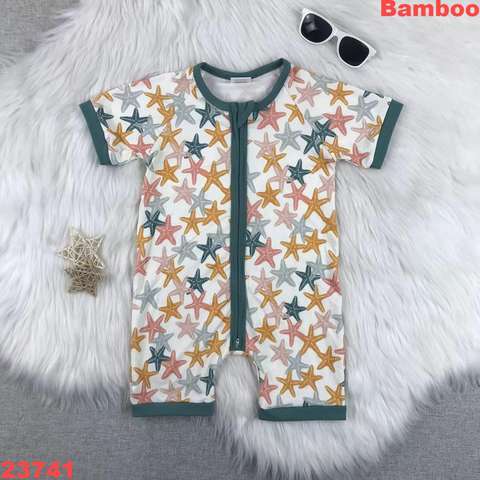
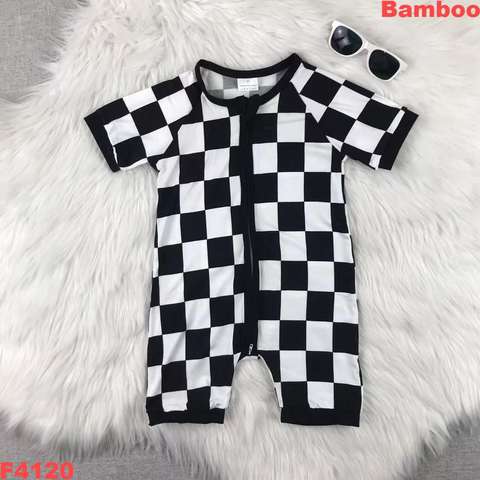
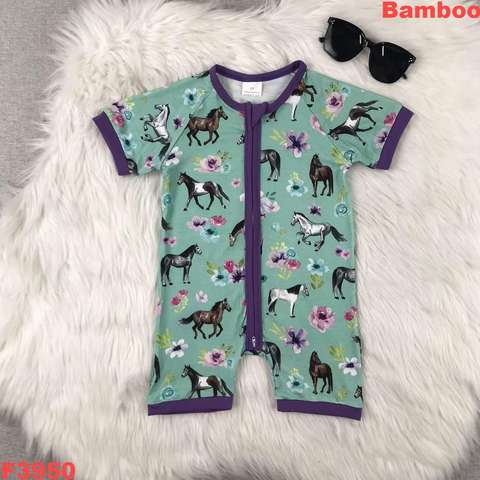
OEKO-TEX Standard 100 Bamboo Romper Baby OEM/ODM Specialist Factories: Rapid Sample Development
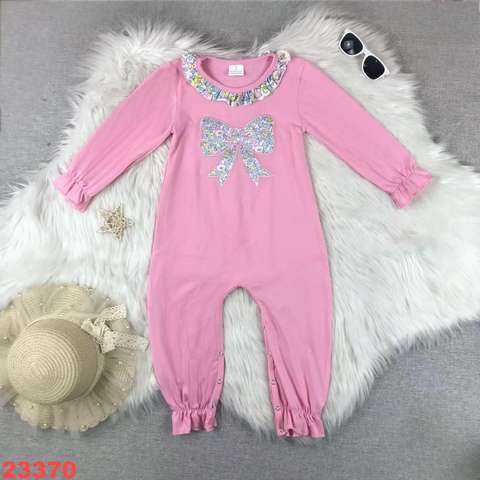
OEKO-TEX Standard 100 Bamboo Romper Baby OEM/ODM Specialist Factories: Rapid Sample Development
As the demand for sustainable apparel continues to soar, bamboo fabric is emerging as a star player in the babywear market. Its natural softness, breathability, and hypoallergenic properties make it a perfect choice for baby rompers. For brands seeking to produce high-quality, eco-friendly baby rompers, partnering with an OEM/ODM apparel manufacturing specialist is a strategic move. More specifically, factories certified to the OEKO-TEX Standard 100 offer invaluable advantages, ensuring products meet stringent safety, sustainability, and quality standards. As a senior clothing factory manager with years of industry experience, I want to provide an in-depth overview of how these specialist manufacturers excel in both rapid sample development and full-scale production of bamboo romper babywear.
Why Choose OEKO-TEX Standard 100 Certified Factories?
OEKO-TEX Standard 100 certification is a globally recognized mark of safety and environmental compliance in textile production. For baby products, where safe and chemical-free fabric is paramount, working with factories certified under this standard guarantees that every component of the garment—fabric, threads, dyes, buttons, and zippers—has been tested for harmful substances. For private label or established fashion brands, this certification ensures confidence in product safety and aligns with today’s consumer focus on sustainability and wellness.

Bamboo fabric is particularly favored for baby rompers due to its luxurious softness, temperature regulation, and natural antibacterial properties. However, ensuring the material remains chemical-free throughout the supply chain requires strict oversight. Factories adhering to OEKO-TEX Standard 100 uphold best practices—from selecting certified raw bamboo textiles to controlling every step of the production process—making them ideal partners for high-quality bamboo babywear manufacturing.
OEM vs. ODM: Understanding the Services
When it comes to manufacturing bamboo baby rompers, brand buyers typically collaborate with factories offering two types of services: OEM (Original Equipment Manufacturer) or ODM (Original Design Manufacturer). Both provide unique benefits depending on your brand's production needs.
- OEM: With OEM, the factory manufactures products based on the buyer's specific designs, patterns, and specifications. It’s ideal for brands with established designs looking for a reliable production partner to meet their exact requirements.
- ODM: ODM, on the other hand, offers a one-stop solution where the factory proposes pre-designed templates or fresh creative ideas for your brand. This is beneficial for startups or brands looking to streamline the design phase, as the factory can customize the product to align with your branding.
Many specialist factories excel in providing both OEM and ODM solutions, offering flexibility to adapt to the evolving needs of their partners. Whether your priority is bringing a unique concept to life or scaling up with an existing design, choosing an OEM/ODM partner with expertise in bamboo babywear ensures efficiency and premium results.
Rapid Sample Development: The Key to Time-to-Market Success
In today’s fast-paced market, speed to market can make or break a brand's success. Especially in the babywear niche, where trends and seasonal collections change rapidly, partnering with a factory that specializes in rapid sample development is essential. Here’s how OEKO-TEX Standard 100 bamboo romper manufacturers excel in this critical aspect:
1. Experienced Product Development Teams
Specialist factories boast dedicated product development teams consisting of pattern makers, fabric experts, and technicians. Their expertise in bamboo fabrics ensures that the sampling process is smooth and precise. From understanding your design brief to evaluating functional and aesthetic requirements, these teams work with precision to create samples that meet your expectations.
2. Efficient Prototype Processes
OEKO-TEX Standard 100 factories employ lean production methodologies and advanced sampling technologies. Digital pattern-making tools, 3D virtual sampling, and automated cutting machines significantly reduce sample turnaround time without compromising accuracy. This means you can test, revise, and approve designs faster, cutting weeks off the sampling phase.
3. Transparent Communication
A hallmark of specialist OEM/ODM factories is their commitment to clear and proactive communication. These teams collaborate closely with brand buyers throughout the sampling process. By providing regular updates and incorporating feedback at every stage, the factory ensures the final product aligns with your vision. For bamboo baby rompers, this could mean optimizing the fit, fabric softness, or selecting dye colors that meet your branding needs.
4. In-House Laboratory Testing


OEKO-TEX Standard 100 factories often feature integrated laboratory testing facilities that allow immediate quality and safety evaluations of samples. For instance, they can test for shrinkage, colorfastness, and fabric strength to ensure the sample not only looks great but also meets durability benchmarks needed for babywear. This proactive approach saves time during mass production by identifying and resolving potential issues during the development stage.
Scalability from Sampling to Full Production
Once the sample has been finalized and approved, OEKO-TEX certified factories excel at scaling up production seamlessly. With their robust infrastructure, these factories are equipped to manage both small-batch orders and large-scale production runs. Many facilities also provide flexible MOQ (minimum order quantity) options, empowering brands of all sizes to bring their babywear collections to market.
Additional Value-Added Services
Beyond the core production process, partnering with an experienced bamboo babywear manufacturer provides access to a host of value-added services:
BAMBOO ROMPER BABY Production Specs
| Product Line | Bamboo Romper Baby |
| Order Capacity | 50pcs (Supports Rapid Sample Development) |
| Compliance | OEKO-TEX Standard 100 |
| Export Service | Rapid Sample Development |
| Fabric Type | Bamboo Viscose |
- Packaging Solutions: Many factories offer eco-friendly packaging options such as recyclable or biodegradable materials, complementing the sustainability aspirations of bamboo babywear brands.
- Labeling and Compliance: OEKO-TEX factories can assist with labeling to ensure compliance with international standards, including care instructions, country of origin, and certifications.
- Custom Design Capabilities: From embroidery to prints, these factories can bring your unique branding elements to life, ensuring your bamboo romper stands out in the market.
- Logistics Support: Many factories offer integrated shipping and logistics services, ensuring timely delivery of your finished products to your desired location.
: Partnering for Success
As sustainability becomes a priority for consumers, bamboo-based babywear represents a growing market segment with enormous potential. However, delivering products that meet both quality and environmental standards requires the expertise of a trusted manufacturing partner. OEKO-TEX Standard 100 certified OEM/ODM factories bring invaluable industry know-how, cutting-edge technology, and unparalleled commitment to quality and compliance. Their ability to rapidly develop samples and transition to production sets brands up for success in an increasingly competitive landscape.
Whether you’re an established babywear brand or an emerging business, selecting the right factory partner is critical to meeting your goals. With certified factories, you gain access to sustainable practices, premium craftsmanship, and the ability to bring beautiful, safe, and eco-friendly bamboo romper collections to market—quickly and confidently.