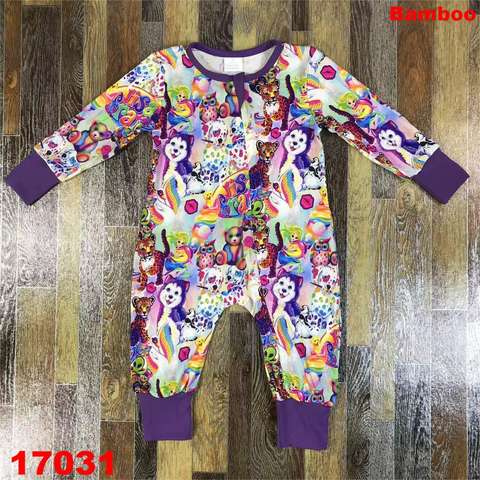
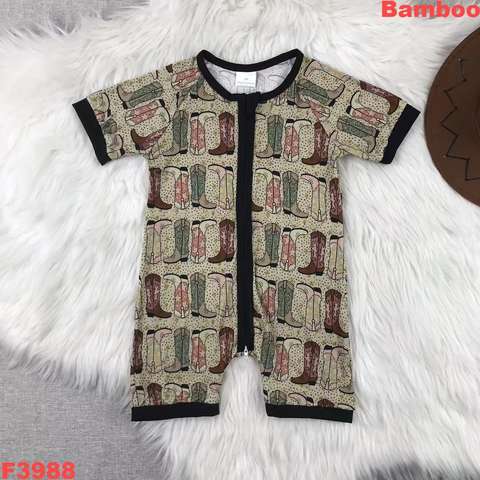
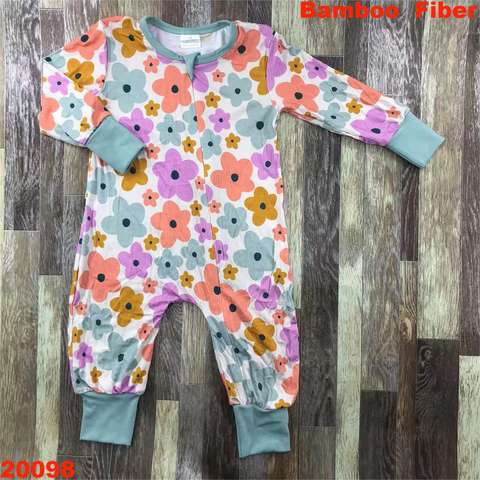
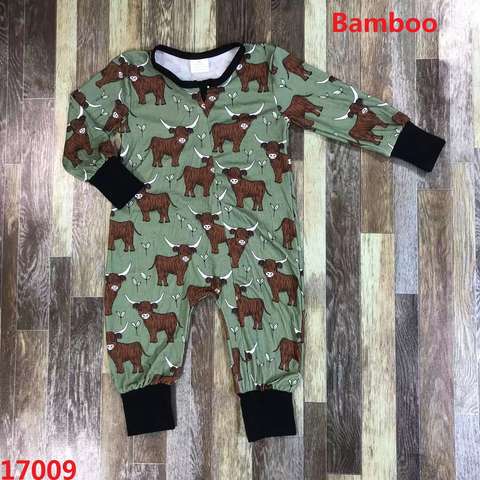
Odm Baby Rompers Eco-Conscious Manufacturers with GRS Certified Standards
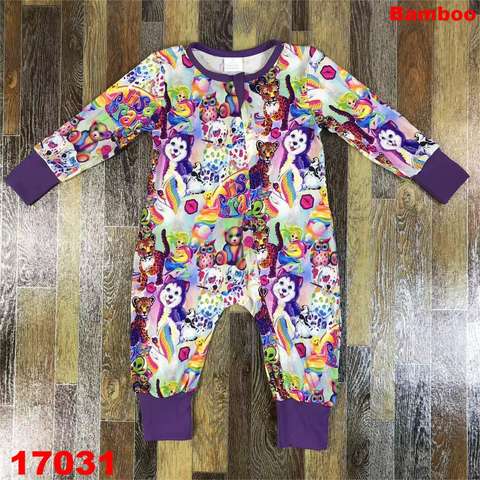
Introduction
As a Senior Clothing Factory Manager who has collaborated with multiple apparel brands and manufacturers, I’ve witnessed firsthand the growing demand for eco-conscious solutions in babywear. Today’s brand buyers are not just looking for style and quality—they’re prioritizing sustainability and certifications. ODM baby rompers, particularly those designed and manufactured by eco-conscious factories adhering to Global Recycled Standard (GRS), stand out as a smart production choice for companies seeking to align with responsible practices. Let me share insights into how ODM baby rompers crafted under GRS protocols can elevate your product portfolio.
The Significance of Eco-Conscious Babywear Manufacturing
Eco-conscious manufacturing has become more than a trend; it's now a business imperative to meet customer expectations and regulatory requirements. For babywear, the stakes are even higher. Parents want assurance that what touches their baby's sensitive skin is made sustainably, safely, and ethically. ODM baby rompers, especially when manufactured under GRS-certified procedures, reflect the sustainability ethos that resonates so strongly with today’s consumers.


GRS certification is pivotal in demonstrating responsible sourcing practices. This globally recognized standard ensures that recycled materials are used, while validating environmental and social responsibility across the entire supply chain. For brands that prioritize transparency and compliance, partnering with a factory equipped with GRS certifications is a game-changer.
What Are ODM Baby Rompers?
Original Design Manufacturing (ODM) baby rompers are pre-designed garments offered by manufacturers that brands can adopt, modify, or sell under their label. This option is ideal for businesses seeking high-quality, scalable production while reducing the need for in-house design. The benefit of ODM lies in faster turnaround times, cost-effectiveness, and risk mitigation—attributes that are particularly advantageous in the competitive children’s apparel market.
When working with ODM manufacturers specializing in baby clothing, it’s essential to ensure that their design offerings incorporate eco-friendly practices. Modern parents prefer garments crafted from sustainable fabrics, free of harmful chemicals, and produced with minimal environmental impact. Choosing ODM baby rompers made within factories certified by standards such as GRS ensures your brand appeals to these conscientious consumers.
Why GRS Certification Matters for Brand Buyers
The Global Recycled Standard (GRS) is a stringent certification that ensures recycled content in products while emphasizing environmental sustainability, ethical labor, and traceability throughout the supply chain. Here’s how GRS certification benefits apparel brand buyers:
- Material Assurance: GRS verifies the recycled content of products, specifically the percentage of pre-consumer or post-consumer materials utilized.
- Transparency Across the Supply Chain: The certification tracks every step of production, including material sourcing, processing, and distribution, ensuring authenticity.
- Compliance with Ethical Standards: Factories adhering to GRS guidelines are audited for sustainable environmental policies and fair labor practices.
- Brand Reputation: Offering products manufactured under GRS-certified standards signals a strong commitment to sustainability, enhancing trust among stakeholders and consumers.
For ODM baby rompers, GRS certification guarantees that the final product aligns with key principles of environmental and social governance (ESG)—an increasingly vital benchmark for brand buyers.
Key Features of ODM Baby Rompers from GRS-Certified Manufacturers

Collaborating with factories capable of producing ODM baby rompers under GRS standards provides numerous benefits. These professionally designed garments often showcase features tailored to the needs of both infants and discerning consumers:
- Safe and Eco-Friendly Materials: GRS-certified factories prioritize sustainable fabrics, such as recycled cotton or polyester, ensuring baby rompers are both gentle on delicate skin and environmentally responsible.
- Quality Craftsmanship: Adherence to GRS ensures meticulous workmanship, ensuring durability and comfort—essential factors for baby wear.
- Customizable Designs: ODM baby rompers allow complete or semi-customization, enabling brands to integrate their logo, color palette, or trends of choice while maintaining certified standards.
- Eco-Conscious Production: GRS facilities implement energy-efficient and waste-reduction practices, offering lower carbon footprints during the manufacturing process.
The Business Case for Sustainability in Apparel
Switching to eco-conscious production isn’t simply an act of goodwill—it’s a competitive advantage. Let’s explore a few valuable reasons brand buyers should invest in GRS-certified ODM baby rompers:
- Capture a Growing Market Segment: Gen Z, Millennials, and eco-conscious parents are increasingly supporting brands that align with sustainability. Offering certified sustainable products builds trust and loyalty within this demographic.
- Protect Against Regulatory Risks: Governments worldwide are rolling out stricter regulations for material usage, waste management, and environmental accountability. Working with GRS-certified manufacturers ensures compliance and future-proofs your supply chain.
- Reduce Costs Long-Term: While sustainable manufacturing practices may appear expensive upfront, they often lead to long-term cost reductions through better material utilization and waste minimization.
- Enhance Brand Differentiation: In an increasingly crowded marketplace, ODM baby rompers manufactured to eco-conscious standards give your brand a unique selling proposition (USP) that speaks volumes about your dedication to higher ethical and environmental ideals.
Selecting the Right ODM Manufacturer for GRS Baby Rompers
When choosing a factory to supply your ODM baby rompers, it’s important to vet their qualifications and practices thoroughly. Here are essential criteria to look for:
- Availability of GRS Certification: Verify that the factory holds valid certifications and meets GRS protocols for recycled materials, ethical labor, and environmental impact.
- Proven Expertise in Baby Apparel: Select a manufacturer with specialized experience in crafting babywear to ensure quality, safety, and functional designs.
- Innovation in Design and Materials: Seek manufacturers who offer customizable ODM designs using advanced sustainable fabrics and processes.
- Testimonials and Track Record: Request case studies, references, or portfolios of previous projects to ensure reliability and production quality.
A transparent, communicative partnership with your chosen ODM manufacturer sets the tone for successful collaboration. , working with a factory that is up-to-date with international sustainability certifications protects not just your brand’s reputation but also its operational resilience.
Final Thoughts
Eco-conscious manufacturing of ODM baby rompers isn’t just a matter of reducing environmental impact—it’s about driving business growth while making a positive difference. GRS-certified factories offer an unparalleled combination of design flexibility, responsible practices, and consumer trust-building opportunities that brand buyers simply cannot ignore.
ODM BABY ROMPERS Production Specs
| Product Line | Odm Baby Rompers |
| Order Capacity | 100pcs (Supports Small Batch Production) |
| Compliance | GRS Certified |
| Export Service | Small Batch Production |
| Fabric Type | Bamboo Viscose |
As someone who’s overseen numerous production cycles, I firmly believe that sustainability is the future of apparel manufacturing. Choosing ODM baby rompers from GRS-certified factories ensures you deliver an ethical, high-quality product to a market hungry for environmentally responsible options. By aligning your sourcing practices with certified standards, your brand strengthens its reputation while contributing to a more sustainable world—a win-win for everyone involved.