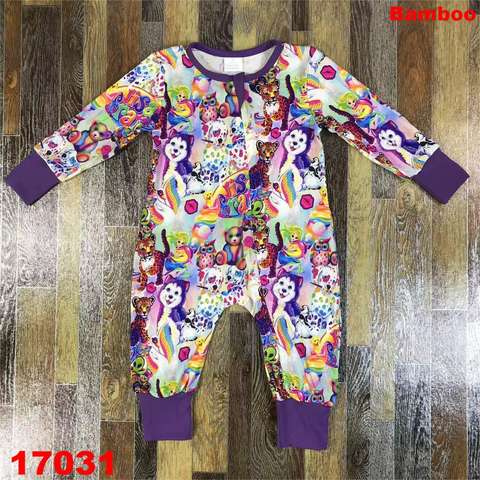
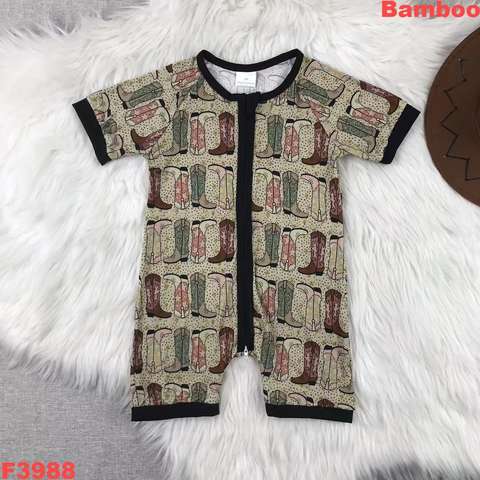
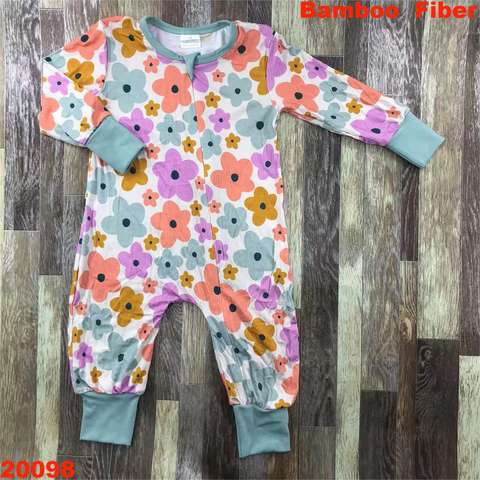
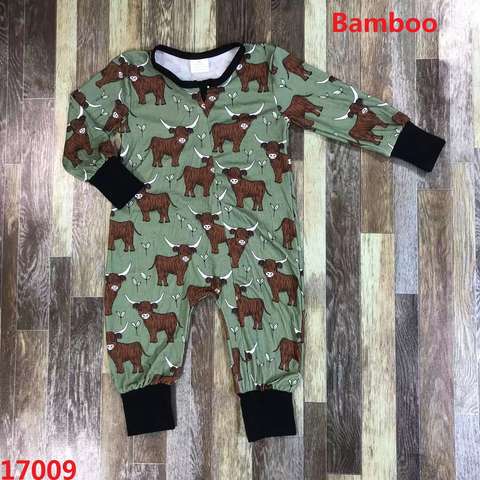
Mystery Boxes For 10Yearold Clothes Eco-Conscious Manufacturers with GRS Certified Standards
Introduction

As the global conversation around sustainability intensifies, apparel manufacturers are seeking innovative solutions that address environmental concerns, while captivating the growing segment of eco-conscious consumers. One such solution gaining traction is the concept of mystery boxes for 10-year-old clothes—a creative approach that not only extends the lifecycle of fashion but also aligns with the values of sustainability-driven brands. For manufacturers operating with GRS-certified (Global Recycled Standard) processes, this trend offers a chance to reshape how brands think about production, waste, and customer engagement.
The Concept: What Are Mystery Boxes for 10-Year-Old Clothes?
Mystery boxes for 10-year-old clothes are curated collections of second-life garments that have been carefully sorted, cleaned, and reintroduced to the market. Rather than discarding or recycling older clothing, these items are repackaged into surprise bundles, providing consumers with an element of discovery while promoting a sustainable way of shopping. The idea is simple yet powerful: give outdated yet functional clothing a second chance to shine, reducing textile waste and environmental impact.
As a senior clothing factory manager, I’ve observed a significant shift in demand from brands eager to partner with factories that prioritize eco-conscious initiatives. Mystery boxes, particularly those adhering to the GRS standards, demonstrate a concrete commitment to circular fashion—a value increasingly championed by end consumers.
The Role of GRS Standards in Sustainable Production
For apparel manufacturers, holding a GRS certification means meeting stringent requirements to ensure the integrity of recycled materials throughout the value chain. The certification encompasses environmental, social, and chemical practices, safeguarding both sustainability and quality. When applied to the mystery box model, GRS certification serves as a stamp of reliability, reassuring brand buyers that the secondary-market clothes being sold adhere to globally recognized sustainability principles.
Repackaging 10-year-old garments into mystery boxes isn’t merely about repurposing them; it involves a meticulous process of inspection, sorting, and selection to ensure items remain functional, on-trend, and desirable. By adhering to GRS standards, manufacturers demonstrate their commitment to reducing waste while providing value to both their brand partners and customers.
Why Should Brand Buyers Care?
For B2B buyers in the fashion industry, mystery boxes represent a golden opportunity. Here’s why:
- Differentiation through Sustainability: Consumers are increasingly scrutinizing the environmental impact of their purchases. By offering GRS-certified mystery boxes, brands instantly showcase their commitment to ethical practices, helping them stand out in a crowded marketplace.
- Cost-Effectiveness: Compared to producing entirely new garments, revamping older clothing significantly reduces production costs. This cost advantage can be passed on to customers—or reinvested into other sustainable initiatives—improving the brand's bottom line.
- Consumer Curiosity: The ‘mystery’ element taps into a sense of excitement for shoppers. With a growing trend of subscription boxes across industries, mystery boxes capture this consumer behavior, offering both novelty and eco-consciousness.
- Storytelling Potential: Brands thrive on stories that build loyalty. Mystery boxes come with a built-in narrative—breathing new life into old clothes and reducing the need for landfill waste. This is the type of messaging that resonates with sustainability-minded customers.
Key Considerations for Manufacturers
While mystery boxes for 10-year-old garments hold immense potential, successfully implementing this concept requires forethought and expertise. Here’s what manufacturers need to get right:
- Stringent Quality Control: Not all discarded garments are suitable for repurposing. Manufacturers must use rigorous quality control processes to ensure only the best items make it into mystery boxes. This builds trust with brand partners and ensures customer satisfaction.
- Scalability: Can your production facility handle the sorting, cleaning, and repackaging of old clothes while maintaining efficiency for other production lines? Achieving scalability without compromises is critical when onboarding large-volume brand buyers.
- Cohesive Aesthetic: Mystery boxes need to feel like a personal style discovery for consumers. Grouping items that match certain themes, colors, or seasonal trends can elevate the experience, making these offerings an extension of a brand’s identity.
- Transparency: Brands are looking for partners who can trace the origin of fabrics, prove sustainable practices, and provide clear documentation on GRS compliance. Offering detailed reports builds confidence and fosters long-term relationships.
How Mystery Boxes Create Value in the Supply Chain
By adding mystery box services to their manufacturing portfolio, factories can achieve a higher level of vertical integration. Instead of discarding end-of-life stock, manufacturers can now diversify inventory by creating a secondary revenue stream. This not only reduces textile waste but also provides a fresh business avenue for brands—allowing them to enter diverse markets, such as pre-loved fashion and eco-conscious customer segments. GRS certification enhances the value proposition, positioning these offerings as premium yet sustainable.

In addition, mystery boxes contribute to reducing landfill dependency, water usage, and carbon emissions. Every 10-year-old garment repurposed in this way represents not just a reduced environmental footprint but also a direct commitment to ESG (Environmental, Social, and Governance) goals, which are becoming essential metrics for investors and stakeholders.
: The Way Forward
Mystery boxes for 10-year-old clothes reflect a small but significant step towards a circular fashion industry. For eco-conscious manufacturers equipped with GRS certification, this concept offers a timely opportunity to cater to forward-thinking brands looking to engage a sustainability-driven audience. It’s not merely about creating new products but reimaging the lifecycle of fashion to drive impact and innovation.
MYSTERY BOXES FOR 10YEAROLD CLOTHES Production Specs
| Product Line | Mystery Boxes For 10Yearold Clothes |
| Order Capacity | 10pcs (Supports Low MOQ Factory) |
| Compliance | GRS Certified |
| Export Service | Low MOQ Factory |
| Fabric Type | Premium Modal |
As a senior clothing factory manager, I strongly encourage brand buyers to consider the transformative potential of this growing trend. By partnering with certified manufacturers, brands can elevate their market position while contributing to the greater good. The future of fashion lies not just in creating—it lies in reimagining, repurposing, and staying committed to sustainability principles.
With mystery boxes, we’re not just selling clothes—we’re selling a story, a movement, and a sustainable tomorrow.