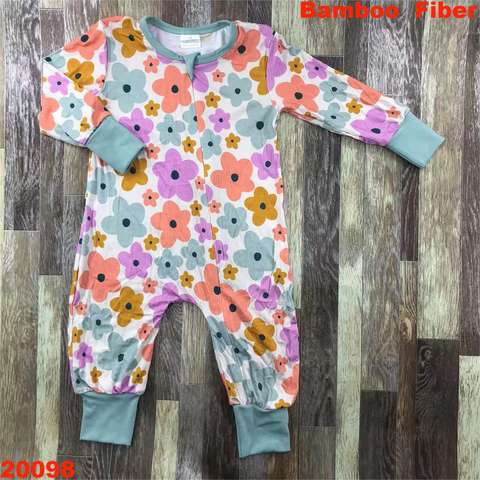
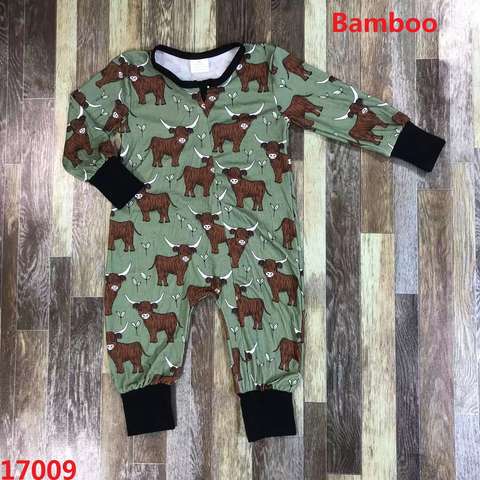
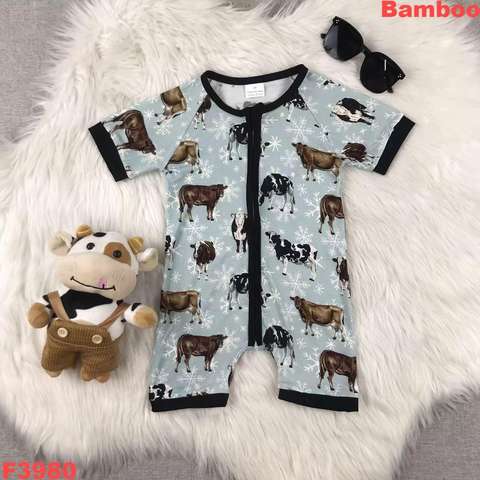
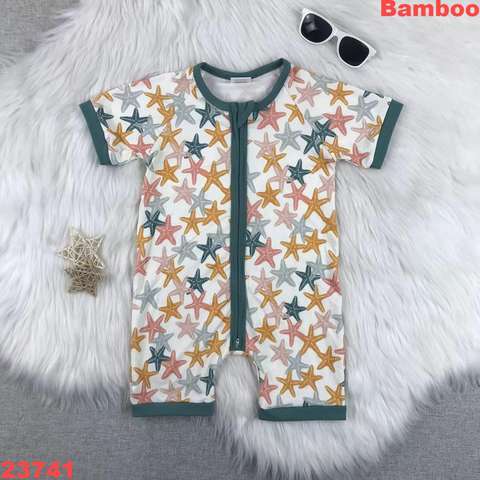
Down Syndrome Print Low MOQ Factory from Certified Bespoke Suppliers
In recent years, inclusivity and representation have taken center stage in the apparel industry. As a senior clothing factory manager, I've witnessed an inspiring surge in brands seeking thoughtful designs that resonate with unique communities and causes. One such standout is the demand for apparel featuring Down Syndrome-inspired prints. This niche celebrates diversity while making a powerful statement about inclusion. The good news for brand buyers is that low MOQ (minimum order quantity) factories have entered the market to accommodate capsule collections, prototypes, and scalability. Here's how certified bespoke suppliers can help you bring Down Syndrome print designs to life with ease and professionalism.

Understanding the Market for Down Syndrome Prints
Down Syndrome prints are products that symbolize advocacy, support, and celebration of individuals with Down Syndrome. These designs often feature elements like bright colors, hand-drawn patterns, or symbols such as the extra 21st chromosome. Brands that embrace these prints are promoting a message of positivity and breaking down stereotypes in their target markets.
For smaller brands, the barrier traditionally was MOQs imposed by large-scale manufacturers, which often required orders in the thousands. However, bespoke factories specializing in low MOQ production now allow emerging brands, social enterprises, or nonprofit organizations to create these specialized collections in smaller volumes while maintaining premium quality.
What Does Low MOQ Mean for Your Apparel Line?
In large-scale manufacturing, high MOQs often become prohibitive, especially for brands just entering the market or gauging customer interest in new designs. Low MOQ production facilities eliminate this issue by allowing smaller batch sizes, typically starting from as low as 50 or 100 units per SKU (stock-keeping unit).
This flexibility is particularly beneficial for Down Syndrome print designs, as they often serve niche markets. You can test the waters with unique prints or limited-edition runs without the financial pressure of overproduction. Additionally, this sustainable approach minimizes waste and reinforces your brand’s commitment to ethical practices—attributes increasingly valued by today’s consumers.
The Role of Certified Bespoke Suppliers in Low MOQ Manufacturing
Partnering with certified bespoke suppliers is pivotal when producing Down Syndrome print designs. Certification ensures that the factory meets ethical, environmental, and quality standards necessary for a flawless product. Key certifications to look for include WRAP (Worldwide Responsible Accredited Production) for ethical manufacturing processes, GOTS (Global Organic Textile Standard) for sustainable textiles, and SMETA (Sedex Members Ethical Trade Audit) for responsible sourcing.
In addition to certifications, bespoke suppliers offer value-add services tailored to your brand’s needs. For example, they allow for complete customization in design, from selecting fabric weights and finishes to specialized print techniques like digital, screen printing, or sublimation. This is crucial for accurately translating Down Syndrome designs into wearable art that resonates with consumers.
Why Down Syndrome Prints Benefit From Bespoke Attention
Unlike standard patterns or templates often used in mass apparel production, Down Syndrome-inspired prints typically involve more intricate and meaningful designs. The personal touch added by bespoke manufacturing ensures consistency in color matching, clarity of print detail, and fabric compatibility—essential for achieving a polished final product.
For instance, you'll want to pay attention to design scalability across different garment sizes. A certified supplier will have the expertise to adapt patterns to fit everything from XS to 3XL without compromising the aesthetic. This attention to detail is key to maintaining high-quality standards, particularly when working with symbolic prints that convey deeper meanings.
Building an Efficient, Collaborative Relationship with Your Factory
The success of your Down Syndrome print line depends heavily on building a strong, collaborative relationship with your manufacturing partner. Open communication throughout the production process ensures that your designs are understood and executed seamlessly. Look for a factory that provides regular sample approvals, timely production timelines, and transparent updates at every stage.

It’s also advisable to inquire about value-added services like private labeling, custom packaging, and inventory solutions. These can provide a competitive edge, allowing you to deliver a cohesive brand experience to your customers right out of the box.
The Takeaway for Brand Buyers
Low MOQ factories specializing in Down Syndrome prints make it possible for brands of all sizes to create purposeful, high-quality products that promote inclusivity. By partnering with certified bespoke suppliers, you ensure that every step of the manufacturing process aligns with your values of ethical production, sustainability, and quality. As demand for thoughtful designs grows, investing in strategic partnerships will position your brand for success in this meaningful niche market.
DOWN SYNDROME PRINT Production Specs
| Product Line | Down Syndrome Print |
| Order Capacity | 10pcs (Supports Low MOQ Factory) |
| Compliance | SGS Tested |
| Export Service | Low MOQ Factory |
| Fabric Type | Bamboo Viscose |
As an industry expert with years of experience, I strongly encourage brand buyers to explore this opportunity. With the right manufacturing partner, you’ll have the tools to create stunning collections that not only resonate with your audience but also make a lasting social impact.