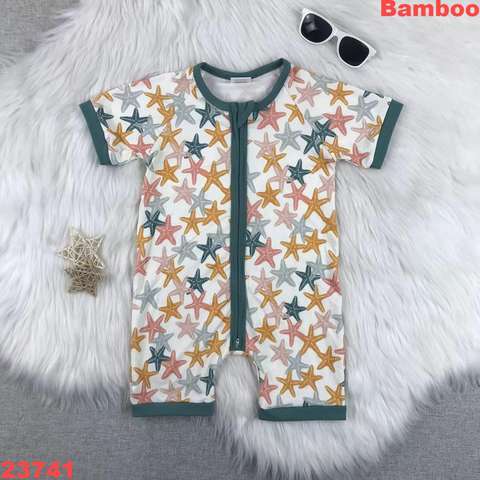
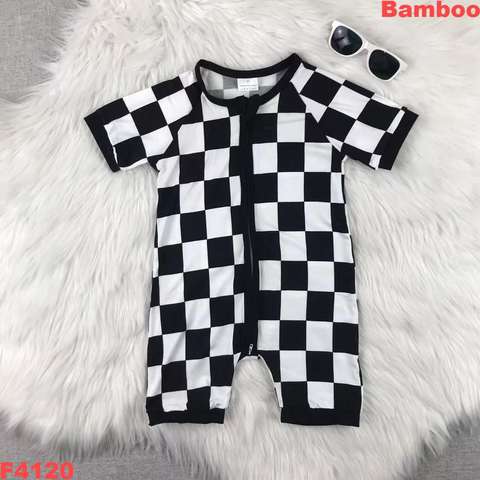
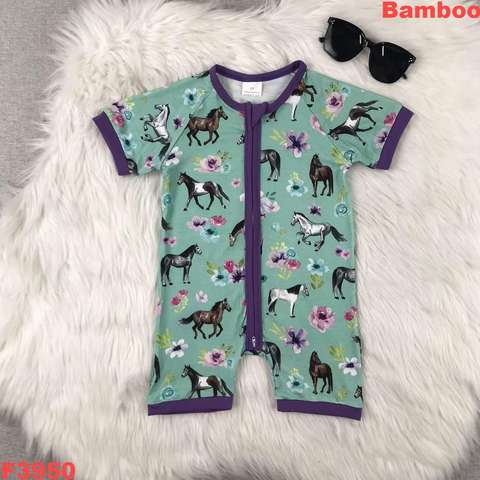
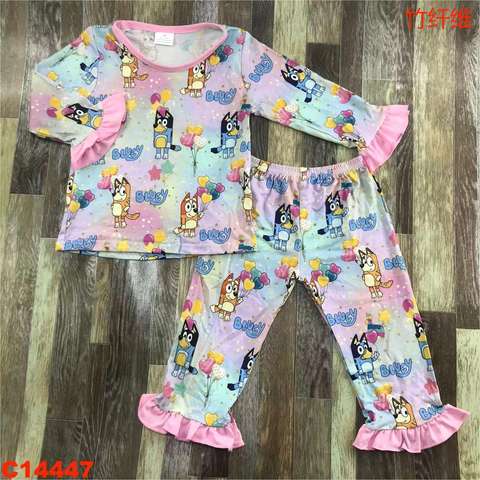
Custom Bamboo Sleeve Eczema Trusted Global Suppliers Small Batch Production - ASTM F963 Certified Quality
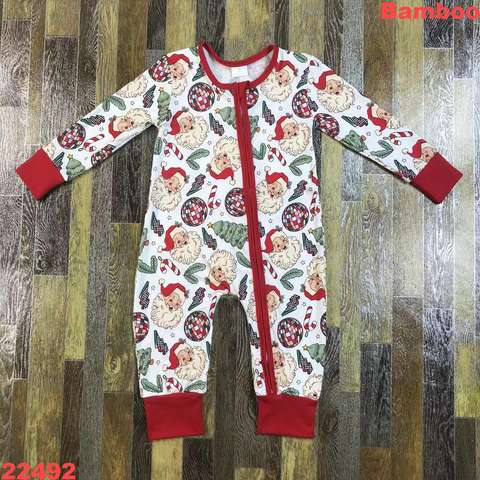
Introduction


In recent years, bamboo fabric has emerged as one of the most sought-after materials in the textile industry. Known for its sustainability, hypoallergenic properties, and superior softness, it has become a transformative option for apparel designed to meet specific skin-related concerns. Among its many applications, the production of custom bamboo sleeve eczema garments stands out as a rapidly growing market. Brands aiming to cater to sensitive skin audiences must meet stringent quality and safety standards, offer small-batch customizations, and source materials from trusted suppliers.
As a senior clothing factory manager with years of industry expertise, I understand the complex demands of this niche. This article will walk you through why sourcing ASTM F963-certified bamboo sleeves for eczema sufferers from reputable global suppliers is critical to quality assurance and how small-batch production can support your brand's scalability and competitive agility.
The Unique Properties of Bamboo Fabric for Eczema Relief
Bamboo fabric is uniquely suited for individuals struggling with eczema. Its natural softness, moisture-wicking capabilities, and breathable composition allow the skin to remain cool and irritation-free. Additionally, bamboo fibers are processed without harsh chemicals, making them highly compatible with sensitive skin types.
Custom bamboo sleeves for eczema management act as a protective barrier, alleviating the constant friction and abrasion that can exacerbate flare-ups. With bamboo's anti-bacterial and hypoallergenic properties, these garments deliver both therapeutic and preventive benefits. As more consumers demand targeted solutions for skin health conditions, brands partnering with reliable manufacturers of bamboo-based eczema sleeves can establish themselves as leaders in this space.
The Importance of ASTM F963 Certification When Choosing Bamboo Fabrics
One of the most critical factors in selecting a dependable manufacturing partner is adherence to global quality standards. The ASTM F963 certification, originally developed for toy safety, is ideal for evaluating the chemical safety of textile products. This standard rigorously tests for hazardous elements such as lead, formaldehyde, and phthalates that might be harmful, especially to users with sensitive skin conditions like eczema.
Brands working with ASTM F963-certified material suppliers benefit from the confidence that their products meet and exceed industry quality benchmarks. Aligning with internationally recognized certifications further enhances your brand's reputation, providing peace of mind for customers who prioritize safety as a purchasing criterion. Not every supplier invests in such compliance, so it is essential to scrutinize their credentials during your supplier selection process.
Sourcing Trusted Global Suppliers for Custom Bamboo Sleeves
Finding the right manufacturing partner takes more than a cursory search. A trusted global supplier of custom bamboo eczema sleeves should exhibit a robust understanding of market demands, cutting-edge fabric innovation, and global compliance standards. Here are the critical considerations that can help brand buyers make well-informed sourcing decisions:
- Material Composition Transparency: Reputable suppliers provide detailed specifications about their bamboo fabrics, including origin, processing techniques, and certifications.
- Quality Control Measures: Ask about their adherence to ASTM F963 or equivalent standards. Comprehensive testing protocols should be a non-negotiable part of their production pipeline.
- Customization Capabilities: Whether you require specific sleeve lengths, designs, or branding options, ensure your manufacturing partner can accommodate tailored solutions.
- Sustainability Commitment: With sustainability proving to be a key consumer concern, partnering with suppliers that prioritize eco-friendly production processes can elevate your brand's value proposition.
- Communication and Reliability: A reliable supplier acts as a partner, proactively addressing production timelines, scaling needs, and quality consistency to meet your brand's growth requirements.
Advantages of Small Batch Production for Bamboo Sleeve Eczema Apparel
Many brands hesitate to enter the eczema apparel category due to perceived risks in scalability and initial capital. Small batch production provides a strategic solution that mitigates these risks while enabling your brand to test market traction effectively. Here are the compelling advantages of leveraging small batch production:
- Agility in Design Iterations: Small batch production allows brands to test multiple designs and product options with minimized waste, providing an opportunity to refine offerings based on real-time customer feedback.
- Reduced Inventory Risks: Avoid large-scale production commitments by creating limited product runs, which helps reduce surplus inventory and associated costs.
- Exclusive Branding Opportunities: Smaller production runs often lead to product exclusivity – a value-add that resonates with discerning eczema consumer markets.
- Eco-Conscious Operations: By manufacturing on a smaller scale, brands lower their environmental impact, embracing sustainability while remaining profitable.
For new entrants or SMEs, small batch production serves as an ideal entry point into the highly specialized bamboo eczema apparel market, offering flexibility and accessibility without compromising on quality or compliance.
How to Build Strong Relationships with Your Manufacturing Partners
Success in this sector relies significantly on your relationship with your supplier or manufacturing partner. A collaborative approach fosters innovation and accountability. Here are actionable tips for nurturing these relationships:
- Communicate Clearly: Share detailed design expectations, timelines, and order requirements upfront to minimize misunderstandings.
- Request Process Transparency: Stay informed about each stage of production, from raw material sourcing to final quality inspections.
- Evaluate Trial Runs: Begin with a pilot production batch to assess the supplier's output quality and delivery time before scaling up orders.
- Leverage Data Sharing: Use shared insights, such as market trends and customer feedback, to collaborate on innovative product designs.
- Invest in Long-Term Partnerships: Building a sustainable relationship emphasizes mutual growth and trust, ensuring competitive pricing and consistent supply streams.
BAMBOO SLEEVE ECZEMA Production Specs
| Product Line | Bamboo Sleeve Eczema |
| Order Capacity | 30pcs (Supports Small Batch Production) |
| Compliance | ASTM F963 |
| Export Service | Small Batch Production |
| Fabric Type | Premium Modal |
The growing demand for skin-sensitive apparel positions custom bamboo eczema sleeves as a lucrative market for brand buyers willing to prioritize quality and innovation. Collaborating with trusted global suppliers who hold ASTM F963 certifications ensures your products meet the highest safety and performance standards. , adopting small batch production strategies allows you to minimize risks, maximize flexibility, and deliver targeted solutions to your customer base.
As a senior clothing factory manager, my recommendation to any brand seeking to enter this niche market is to focus on building strong supplier relationships, emphasizing compliance and customization capabilities, and leveraging small-batch production to innovate with intention. By prioritizing these elements, you can set your business apart in the competitive bamboo eczema apparel segment and establish lasting value for your customers.