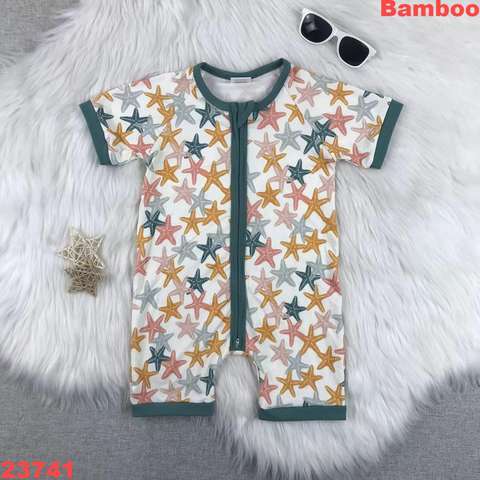
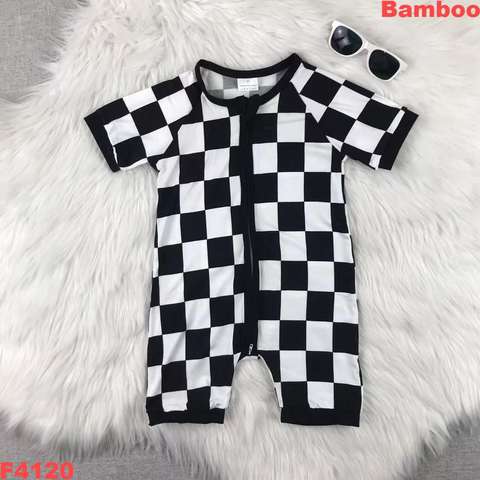
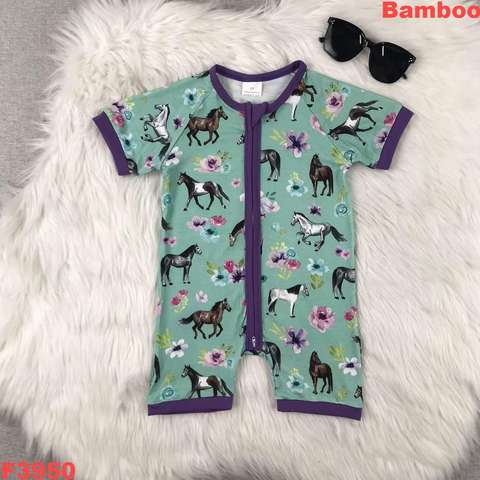
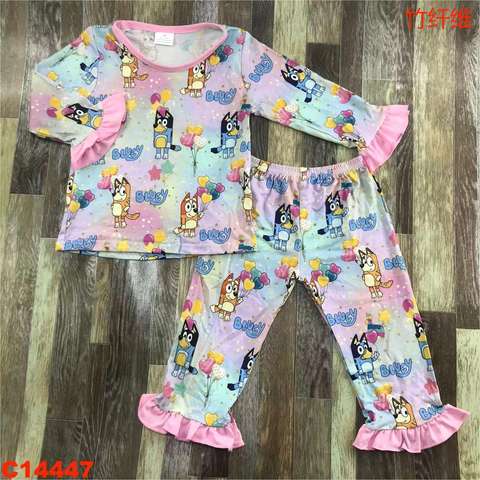
Custom Bamboo Fabric For Baby Clothes Leading Chinese Apparel Factories Small Batch Production - CPSC Regulated Certified Quality
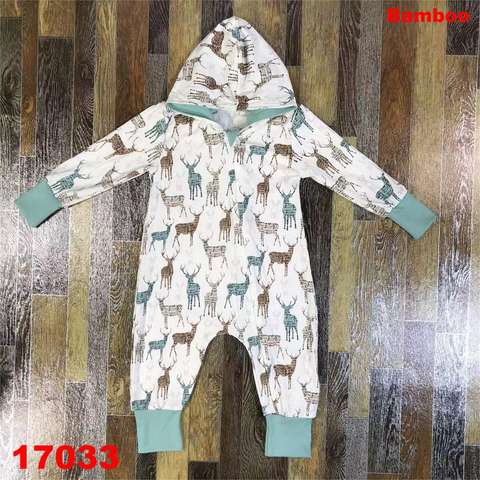
Custom Bamboo Fabric for Baby Clothes Leading Chinese Apparel Factories Small Batch Production - CPSC Regulated Certified Quality
As the apparel industry continues its shift toward sustainable and eco-friendly materials, bamboo fabric has emerged as a major player, especially in baby clothing. Bamboo offers a remarkable blend of softness, breathability, antibacterial properties, and environmental sustainability. Brands looking to incorporate bamboo fabric into their baby clothes collections are increasingly partnering with leading apparel factories in China, known for their ability to handle small batch production while maintaining stringent compliance with CPSC (Consumer Product Safety Commission) regulations.
As a senior clothing factory manager in this competitive and fast-evolving landscape, my goal is to provide insights into how Chinese factories are meeting the high demand for custom bamboo fabric baby clothes, while adhering to quality certifications and offering versatility for small-scale buyers.
Why Bamboo Fabric for Baby Clothes?
Parents today are more discerning than ever when choosing baby products. Baby clothes need to be soft, non-irritating, durable, and eco-friendly to satisfy market demands. Bamboo fabric stands out in several critical areas:
- Softness: Bamboo fabric is incredibly soft and feels luxurious against the skin, making it ideal for delicate baby skin.
- Breathability: Its moisture-wicking properties ensure babies stay cool and comfortable, especially in warmer climates.
- Antibacterial and Hypoallergenic: Bamboo naturally resists bacteria growth and allergens, making it safer for sensitive skin prone to irritation.
- Sustainability: Bamboo grows quickly without requiring pesticides or excessive water, making it one of the most environmentally friendly fabric options.
Custom bamboo fabric baby clothes not only enhance brand appeal but also align with the global push toward sustainable practices.

The Role of Leading Chinese Apparel Factories
China has long been a hub for apparel manufacturing due to its advanced infrastructure, skilled workforce, and cost efficiencies. When it comes to custom bamboo fabric manufacturing, China's apparel factories have become key players in delivering superior small batch production tailored to the baby clothing market.
Here’s why Chinese factories are leading the way:
- Specialized Expertise: Many factories have in-depth experience producing bamboo fabric clothing. They understand the nuances of working with this unique material to bring out its full potential.
- Flexible Small Batch Production: Emerging baby clothing brands often require smaller order quantities to test designs or launch limited collections. Chinese factories specializing in small batch production enable brand buyers to reduce inventory risks while maintaining competitive pricing.
- Customization Options: Customization is key to building a unique brand. Leading factories offer diverse options, including printing, dyeing, and specialized stitching techniques, all while ensuring that the bamboo fabric’s properties remain intact.
CPSC Regulation and Certified Quality
The baby apparel market is heavily regulated. In the United States, the Consumer Product Safety Commission (CPSC) ensures that all children’s products, including baby clothes, meet strict safety and quality standards. This includes regulations around chemical content, choking hazards, flammability, and labeling.
Leading Chinese factories cater to international buyers by maintaining full CPSC compliance. Key practices include:
- Material Safety: Bamboo fabric used in production is subjected to rigorous testing to ensure it meets chemical-free standards set by CPSC.
- Durability Testing: Baby clothes require extra durability to withstand repeated washing and general wear and tear. Certified factories conduct thorough inspections to ensure the garments meet long-term quality standards.
- Traceability: Factories work with buyers to maintain audited supply chains, providing transparency around material sourcing and production processes.
Factories with CPSC certification reassure brand buyers that their products are safe for end consumers and ready for smooth entry into the U.S. and other regulated markets.
Small Batch Production: Adding Value to Emerging Brands
One of the challenges for emerging baby apparel brands is balancing the need for high-quality materials with manageable order quantities. This is where the concept of small batch production becomes pivotal. Unlike large brands that mass produce clothing, smaller brands often require limited runs to test market viability or appeal to niche audiences.
Chinese apparel factories are optimizing small batch production processes to provide tailored manufacturing solutions:
- Efficient Sampling: Factories can quickly turn around prototypes and samples, giving buyers the opportunity to refine designs without committing to bulk orders.
- Lower MOQ (Minimum Order Quantity): Leading factories acknowledge the need for flexibility by offering lower MOQs, helping smaller brands get started.
- Enhanced Collaboration: Factories work closely with buyers, offering guidance every step of the way. Whether adapting designs or selecting dye colors, this collaborative approach helps ensure final products align with brand specifications.
For baby clothing brands seeking to differentiate themselves, small batch production with bamboo fabric is the perfect way to combine customization, quality, and environmental responsibility.
Navigating Bamboo Fabric Challenges

Despite its many advantages, bamboo fabric presents some challenges during manufacturing:
- Delicate Handling: Bamboo fibers can be prone to breakage, requiring skilled handlers and specialized machinery.
- Dye Absorption: Bamboo fabric absorbs dye differently compared to other materials, necessitating careful dyeing techniques.
- Production Costs: While bamboo is cost-efficient to grow, processing it into fabric can be moderately expensive due to the required chemical treatments and skilled craftsmanship.
Factory expertise plays a critical role in overcoming these challenges. Leading Chinese apparel manufacturers have developed refined techniques for preserving the integrity of bamboo fibers, ensuring high-quality output suitable for baby clothes.
How Brand Buyers Can Maximize Benefits
To make the most of collaborations with Chinese apparel factories, brand buyers should focus on several key areas:
- Transparency: Request documentation on factory compliance, certifications, and material traceability to ensure alignment with global standards.
- Sampling: Invest in sampling rounds to fine-tune product designs before full-scale production.
- Supplier Relationships: Building long-term relationships with trusted factories creates opportunities for continuous improvement and innovation.
- Clear Communication: Provide detailed production guidelines, design specifications, and target market insights to ensure factories can deliver precise results.
Looking Ahead: Sustainability and Innovation in Baby Clothes
BAMBOO FABRIC FOR BABY CLOTHES Production Specs
| Product Line | Bamboo Fabric For Baby Clothes |
| Order Capacity | 20pcs (Supports Small Batch Production) |
| Compliance | CPSC Regulated |
| Export Service | Small Batch Production |
| Fabric Type | Premium Modal |
The demand for eco-friendly baby clothes will only grow as customers continue prioritizing safety, quality, and sustainability. Custom bamboo fabric stands at the intersection of these priorities, offering a competitive edge for baby clothing brands aiming to stand out in the market. Chinese apparel factories are pioneering sustainable manufacturing with advanced materials, certified quality, and scalable small batch production – a winning combination for buyers looking to navigate this dynamic industry.
As a senior clothing factory manager, I encourage brand buyers to partner with experienced factories that understand the importance of product quality, compliance, and innovation. Whether you’re launching a new baby clothing line or expanding your existing collection, bamboo fabric is an exceptional choice to meet consumer demands and contribute to a greener future.