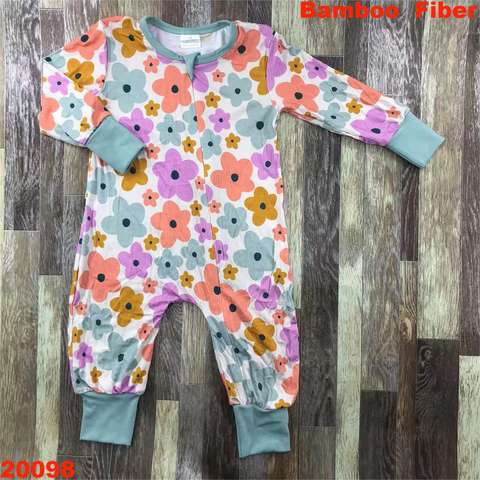
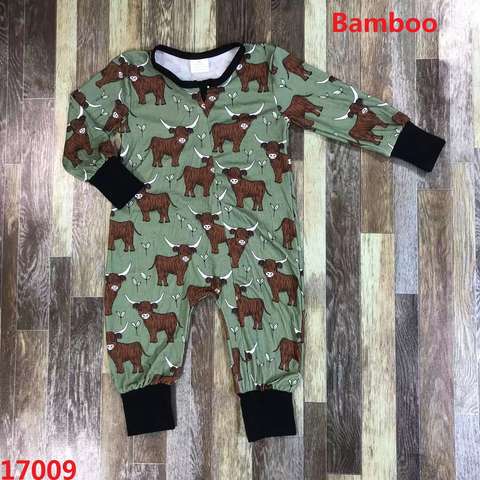
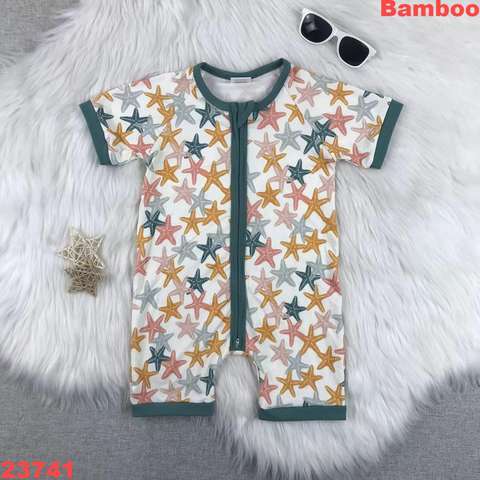
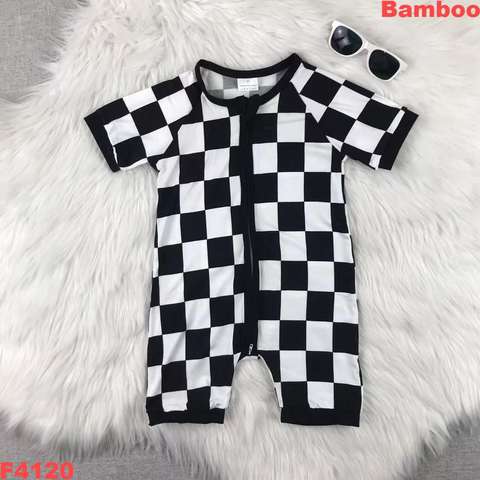
CPSC Regulated Custom Baby Clothes SMETA Compliant Factories: Small Batch Production
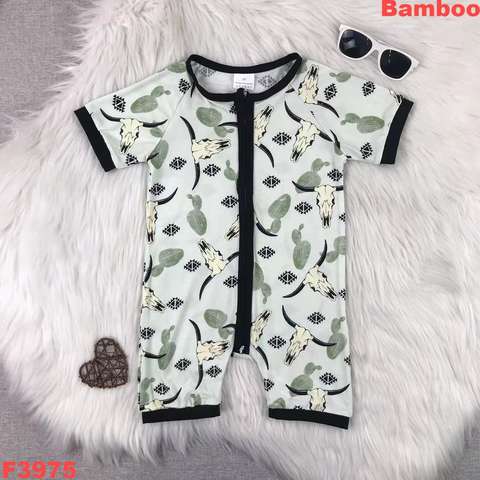
CPSC Regulated Custom Baby Clothes SMETA Compliant Factories: Small Batch Production
In the world of children's apparel, safety, compliance, and ethical practices are not optional — they are essential. For businesses looking to develop custom baby clothes, ensuring your manufacturing partners align with CPSC regulations and meet SMETA compliance standards is vital. , small batch production has emerged as a preferred choice for many brands, offering flexibility, cost efficiency, and reduced inventory risks. As a senior manager in a leading clothing factory, I am here to guide you through this intricate process and highlight why these factors are critical for your brand's success.
Understanding CPSC Regulations for Baby Clothes
The U.S. Consumer Product Safety Commission (CPSC) enforces strict safety requirements for children’s apparel to guarantee the safety of end consumers—infants and toddlers in this case. When producing custom baby clothes, the following elements need to be rigorously adhered to:
- Flammability Standards: Baby clothes must comply with flammability standards under the Flammable Fabrics Act (FFA). Non-compliance can result in hefty fines, product recalls, and reputation damage.
- Non-Toxic Materials: Fabrics, buttons, zippers, and any additional components used in production should be free of harmful chemicals such as lead, phthalates, and formaldehyde.
- Labeling Requirements: Labels must include information like fiber content, care instructions, and tracking numbers that connect the product to the specific batch or production run. This is imperative for traceability and accountability in case of recalls.
Working with factories that are experienced in CPSC-compliant manufacturing ensures that your baby clothing products meet these strict guidelines and are safe for their intended market. Partnering with a factory that understands these nuances can save your business considerable time, money, and risk.

The Importance of SMETA-Compliant Factories
Today’s discerning consumers and responsible brands demand more than just quality apparel; they insist upon ethical production practices. This is where Sedex Members Ethical Trade Audit (SMETA) compliance becomes an invaluable asset. SMETA is one of the most widely used ethical audits, covering labor standards, health and safety, environmental impact, and business ethics. Producing in a SMETA-compliant factory ensures:
- Fair Labor Practices: Workers are treated well, provided safe working conditions, and paid fair wages.
- Transparency: SMETA audits validate that the factory is adhering to ethical sourcing and transparent supply chain practices.
- Environmental Responsibility: Materials and processes used are sustainable and minimize environmental damage.
For brands that market themselves as eco-conscious or socially responsible, partnering with a SMETA-compliant factory is non-negotiable. , it demonstrates a commitment to ethical integrity, an attribute that resonates strongly in today’s marketplace.
Custom Baby Clothes in Small Batch Production
Small batch production is an attractive option for emerging and established brands alike, particularly in the baby apparel segment. Here’s why:
- Risk Mitigation: With smaller production runs, brands avoid overstocking, reducing the likelihood of surplus inventory that becomes costly to store or liquidate.
- Flexibility: Small batch production enables quicker refinements to designs, allowing brands to adapt to market trends and customer feedback without committing to large inventories.
- Reduced Upfront Investment: Smaller orders mean lower capital requirements, making it easier for startups and smaller brands to enter the market.
- Brand Differentiation: Small batch production supports unique, limited-edition collections, which can help distinguish a brand in a competitive market.
However, small batch production requires a manufacturing partner capable of handling smaller runs without sacrificing quality. Factories experienced in small batch production optimize cutting, sewing, and finishing processes to keep costs efficient while maintaining premium standards. By carefully selecting a production partner with the right expertise, small batch production can become a strategic advantage rather than a limitation.
What to Look for When Choosing Your Manufacturing Partner
When sourcing a factory for your custom baby clothes, it’s important to weigh several variables to ensure you’re making the best long-term decision for your brand. Consider the following factors:

CUSTOM BABY CLOTHES Production Specs
| Product Line | Custom Baby Clothes |
| Order Capacity | 50pcs (Supports Small Batch Production) |
| Compliance | CPSC Regulated |
| Export Service | Small Batch Production |
| Fabric Type | Premium Modal |
- CPSC Compliance: Does the factory conduct all necessary testing and adhere to CPSC guidelines for children's clothing?
- SMETA Certification: Are the factory’s ethical labor and environmental practices certified by a trusted audit, such as SMETA?
- Small Batch Capabilities: Does the factory have experience producing smaller runs with high attention to detail?
- Quality Control: What measures does the factory have in place to maintain consistency and quality in production?
- Communication: Does the factory maintain transparent and timely communication throughout the production process?
Partnering with the right factory ensures a seamless production experience, resulting in high-quality baby apparel that reflects the standards of your brand.
Final Thoughts
From CPSC regulations to SMETA compliance, producing custom baby clothes entails a careful balance of safety, quality, and ethical standards. Small batch production, when handled by a capable factory, offers flexibility and efficiency that can benefit brands of all sizes. As a senior manager in the clothing manufacturing industry, I’ve seen how partnering with the right production facility can make or break a brand’s success. Ensure that your manufacturing partner not only meets regulatory and ethical standards but also shares your vision for quality and innovation.
By aligning with a CPSC-regulated, SMETA-compliant, small batch-friendly factory, your brand will not only meet industry expectations but also create a product that resonates with consumers on multiple levels. In today’s competitive and ever-evolving marketplace, there is no better way to ensure sustainable growth and customer loyalty.