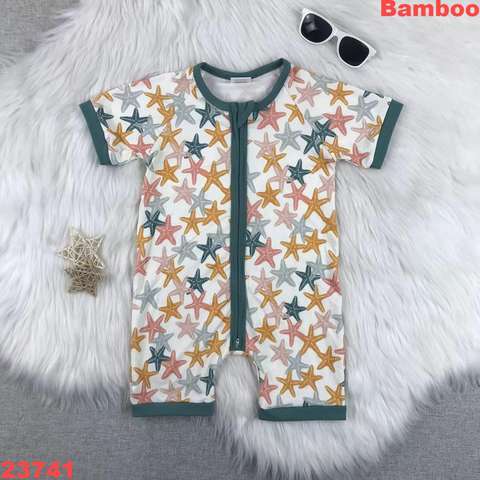
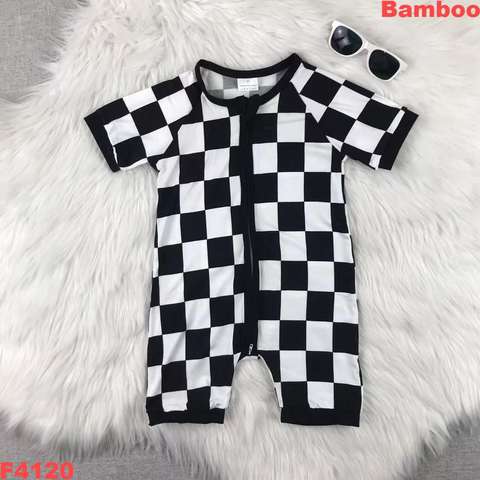
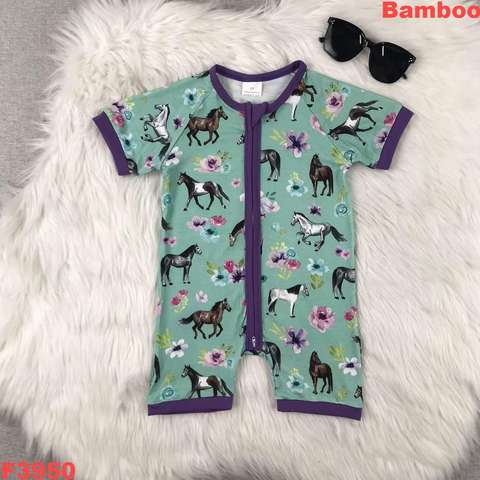
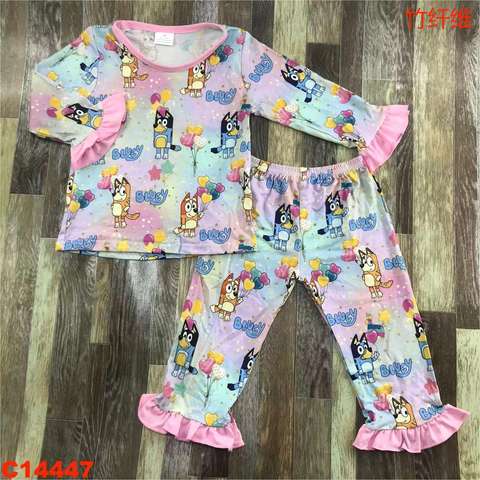
BSCI Audited Factories for Bamboo Pajamas Kids Christmas - CPSC Regulated & White-Label Manufacturing
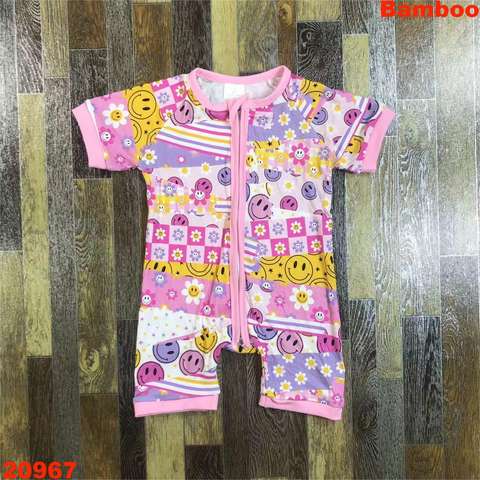
Understanding BSCI Audited Factories for Bamboo Pajamas Kids Christmas – A CPSC-Regulated and White-Label Solution
As a senior clothing factory manager with over two decades of experience in apparel manufacturing, I have witnessed the dynamic evolution of production standards, consumer demands, and compliance requirements. One of the most distinct trends of the last decade involves the rise in demand for sustainable, safe, and ethically made children’s clothing. For buyers looking to produce bamboo pajamas for kids Christmas, understanding how to partner with BSCI-audited factories, complying with CPSC regulations, and leveraging white-label manufacturing can be critical to creating a successful product that resonates with modern-day conscientious consumers.

The Role of BSCI Audited Factories in Ethical Apparel Manufacturing
Business Social Compliance Initiative (BSCI) auditing is no longer optional for many serious apparel buyers. Brands prioritizing transparency and ethics in their supply chains select BSCI-audited factories to ensure manufacturing aligns with high social compliance standards. So, what exactly does that mean for your brand if you're sourcing bamboo kids' pajamas for Christmas from such a factory?
A BSCI audit reviews key areas such as fair wages, safe working conditions, no forced or child labor, and workers' rights to collective bargaining. Partnering with BSCI-audited factories reflects your brand's commitment to social responsibility, a key factor for customers who want to ensure that their purchases are not contributing to unethical practices.
For example, bamboo pajamas are often marketed as eco-friendly and luxurious due to the qualities of bamboo fiber. However, customers want more than just sustainability claims; they want assurance that your supply chain values people as much as the planet. BSCI compliance satisfies that demand by proving that your manufacturing process meets international ethical standards.
Navigating CPSC Regulations for Children’s Bamboo Pajamas
Children’s clothing, especially pajamas, is one of the most heavily regulated product categories—rightly so, to protect our youngest consumers. Any U.S. buyer sourcing kids’ bamboo pajamas for Christmas should be acutely aware of the Consumer Product Safety Commission (CPSC) regulations, specifically 16 CFR 1615/1616, which covers flammability standards for children’s sleepwear.
These regulations stipulate that garments sized above 9 months to 14 years must either:
1. Pass flammability tests to prove they’re flame-resistant, or
2. Be labeled as snug-fitting (intended to reduce the risk of catching fire).
When working with a white-label manufacturing partner like a BSCI-audited factory, it’s important to verify that rigorous CPSC compliance testing is integrated into the production process. Factories should possess laboratories (or partnerships with third-party testing facilities) certified to test flammability compliance for pajamas. The fabric blend used—especially for bamboo—should meet all regulatory requirements for either flame resistance or proper snug-fitting design specs.
Additionally, CPSC regulations extend to labeling requirements. Proper care instructions, sizing guidance, and clear identification of the garment as “flame-resistant” or “snug fit” are mandatory. Professional manufacturers understand the intricacies of these compliance details and will oversee the process to prevent costly mistakes.

White-Label Manufacturing: A Streamlined Path to Market Success
For emerging or established brands seeking flexibility in entering the children’s Christmas apparel market, white-label production offers a highly efficient solution. A white-label strategy allows buyers to customize pre-existing designs and have them branded under their own label, avoiding the lead times and complexities associated with launching full-scale original designs.
The benefits of white-labeling bamboo kids' pajamas, especially for seasonal collections like Christmas pajamas, include:
- Speed to Market: White-label products can be manufactured and branded quickly, ensuring you meet tight holiday season deadlines.
- Cost-Effectiveness: With production templates already in place, development costs are minimized.
- Customization Options: Many white-label manufacturers offer flexibility in choosing fabric colors, Christmas-themed prints, or trims (like festive piping or snaps).
- Small Minimum Order Quantities (MOQs): Factories offering white-label solutions often accommodate MOQs appropriate for seasonal campaigns or new product testing.
For example, a BSCI-audited factory producing white-label bamboo pajamas below flame-resistance size thresholds (under 9 months) ensures that infants’ comfort, safety, and seasonal charm are achieved without extensive regulatory complexity. For older or larger sizes, snug-fit templates are adjusted to align with CPSC requirements.
Bamboo Fabric: A Goldmine for Children’s Pajamas
Bamboo fiber is gaining top-tier reputation as a “wonder fabric” ideal for children’s sleepwear. Its natural properties, such as being hypoallergenic, antibacterial, moisture-wicking, and thermoregulating, make it especially comfortable for kids whose sensitive skin requires gentle fabric solutions.
Add the season’s narrative—Christmas-themed patterns, reds, greens, or playful snowmen—and you’ll have a desirable product for holiday shoppers. As a producer, understanding bamboo’s qualities helps in making informed design decisions. For instance:
- Comfort-first Designs: Loose, breathable designs are perfect for bamboo pajamas tailored to kids' natural movements at night.
- Sustainability Branding: Showcase bamboo as an eco-conscious choice for parents looking for sustainable holiday gifts.
- Smart Detailing: Avoid unnecessary embellishments (like zippers or harsh seams) where soft-touch bamboo fiber is best left simple and practical.
For adult buyers ordering custom bamboo Christmas apparel, collaborating closely with skilled factory technicians ensures fabric quality across the supply chain and throughout bulk orders, giving your end customers the premium experience they expect.
Best Practices for Choosing a BSCI Audited Factory
When selecting a BSCI-audited white-label factory for manufacturing seasonal products such as bamboo pajamas for kids, a brand buyer should follow these best practices:
BAMBOO PAJAMAS KIDS CHRISTMAS Production Specs
| Product Line | Bamboo Pajamas Kids Christmas |
| Order Capacity | 30pcs (Supports White-Label Manufacturing) |
| Compliance | CPSC Regulated |
| Export Service | White-Label Manufacturing |
| Fabric Type | Bamboo Viscose |
- Request Comprehensive Documentation: Seek evidence of the factory’s latest BSCI audit score, including records of corrective actions taken (if any).
- Confirm Product-Specific Expertise: Choose factories experienced in manufacturing premium children’s clothing, particularly CPSC-compliant kids’ sleepwear.
- Integrity in Material Sourcing: Ask about the chain of custody for bamboo fabric to ensure the material genuinely meets sustainability claims.
- Collaboration Priorities: Look for manufacturers offering flexibility and proactive communication to customize your white-label project’s design and logistics needs.
Final Thoughts
The rising demand for highly personalized, ethically made, and sustainable children’s products creates an excellent opportunity for brands to capitalize on bamboo Christmas pajamas for kids. By partnering with BSCI-audited factories, adhering to CPSC regulations, and leveraging the advantages of white-label manufacturing, buyers can bring high-quality products to market while achieving compliance, efficiency, and customer trust.
As a senior clothing factory manager, I encourage all buyers to prioritize partnerships with socially and environmentally conscious manufacturers. Not only will this alignment strengthen your brand’s reputation, but it will also create tangible value for end consumers who appreciate quality, safety, and ethics during their holiday shopping experiences.